

Logo Reisemagazin
Saturday, October 3, 2026
Home Blog Page 4

Discover the enchanting charm of Padua

0

In the heart of northern Italy lies a historic and charming city – Padua. Often dwarfed by its more famous neighbors, this hidden gem invites travelers to explore its cobblestone streets and uncover its secrets. Imagine strolling through medieval piazzas adorned with elegant frescoes, enjoying the flavors of traditional Italian cuisine pouring out of family-run trattorias, and feeling the pulse of a city that has been a beacon of knowledge and culture for centuries.

As you immerse yourself in the enchanting charm of Padua, you will be fascinated by its rich mix of art, architecture and science. From the stunning frescoes by Giotto that adorn the Scrovegni Chapel to the storied halls of one of Italy’s oldest universities, every corner of Padua whispers stories of a bygone era. Join us on a journey through this fascinating destination as we reveal the layers of its history, discover the hidden treasures in its narrow streets and immerse ourselves in the essence of a city that holds the key to authentic Italian experiences. Welcome to Padua – where every cobblestone has a story to tell.

The history and heritage of Padua

Padua, also called Padova in Italian, is a city with a rich history and heritage. It is located in the Veneto region of northern Italy and has been inhabited since prehistoric times. The city gained importance during Roman times and became an important center for trade and commerce.

One of Padua’s most important historical landmarks is the Basilica of St. Anthony, which houses the tomb of St. Anthony of Padua. This magnificent church attracts pilgrims from all over the world who come to pay their respects to this beloved saint.

Another notable historical site is the Palazzo della Ragione, a medieval palace that once served as the city’s courthouse. Its great hall, known as the Salone, is adorned with beautiful frescoes depicting astrological symbols and scenes from daily life.

Padua is also home to one of the oldest universities in Italy, founded in 1222. The University of Padua has long been known for its excellent education and has produced many notable graduates, including Galileo Galilei.

Architectural wonders: from medieval squares to Renaissance palaces

Padua offers a diverse architectural landscape that reflects its rich history. The city’s medieval squares are lined with elegant buildings with intricate details and colorful facades.

Piazza delle Erbe is one such square, which oozes charm with its lively market stalls and picturesque buildings. The nearby Piazza dei Signori showcases impressive architectural gems such as the Palazzo del Capitaniato and the Loggia della Gran Guardia.

As you stroll through the streets of Padua, you’ll come across impressive examples of Renaissance architecture. Palazzo Bo, part of the university complex of Padua, has an impressive courtyard with statues and a grand staircase.

Another architectural masterpiece is the Prato della Valle, one of the largest squares in Europe. This elliptical square is surrounded by a canal and adorned with statues of famous Paduans.

Unveiling of artistic splendour: Giotto frescoes in the Scrovegni Chapel

The Scrovegni Chapel, also known as the Arena Chapel, is a must-see for art lovers. This small chapel is adorned with stunning frescoes by the famous Italian artist Giotto di Bondone.

Giotto’s frescoes depict scenes from the life of Christ and the Virgin Mary, showing his mastery of perspective and emotion. The bright colors and intricate details bring these biblical stories to life and provide visitors with an immersive experience.

The Scrovegni Chapel is a testimony to Padua’s rich artistic heritage and recalls the importance of the city during the Renaissance.

Exploring Padua’s oldest university: a centre of knowledge and culture

Founded in 1222, the University of Padua has contributed significantly to Padua’s identity as a centre of knowledge and culture. Throughout its history, it has attracted scholars from all over Europe.

The university’s historic buildings, such as Palazzo Bo and Palazzo del Liviano, are architectural marvels that house lecture halls, libraries, and museums. These buildings have witnessed intellectual endeavors for centuries and continue to inspire students and visitors alike today.

Today, the University of Padua offers a wide range of academic disciplines and remains a leader in research in various fields. It continues to attract students from all over the world who want to become part of its prestigious academic community.

Culinary delights: enjoy traditional Italian cuisine in Padua

No visit to Padua is complete without enjoying the city’s culinary delights. From traditional trattorias to trendy cafes, Padua offers a wide variety of dining options to satisfy all tastes.

Start your culinary journey with a classic Italian breakfast of cappuccino and freshly baked pastries at a local café. Head to one of the many trattorias for lunch and enjoy traditional dishes such as risotto, pasta, and polenta.

Thanks to its proximity to the Adriatic Sea, Padua is also known for its delicious fish dishes. Don’t miss the opportunity to taste local specialties such as sarde in saor (marinated sardines) or baccalà alla vicentina (salted cod).

Finish your gastronomic adventure with a sweet treat such as tiramisu or gelato from one of Padua’s artisan gelaterias. The city’s culinary scene is guaranteed to leave you wanting more.

Hidden gems: things to do off the beaten track in Padua

Padua may not be as well-known as other Italian cities, but there are plenty of hidden gems waiting to be discovered. Get off the beaten path and explore lesser-known sights that offer a unique insight into the city’s history and culture.

One such hidden gem is the Orto Botanico di Padova, one of the oldest botanical gardens in the world. Home to a vast collection of plants from around the world, this tranquil oasis offers a peaceful refuge from the busy city.

Another hidden treasure is the Museo del Precinema, which is dedicated to the equipment and techniques from before the history of cinema. Here you can learn more about the beginnings of cinema through an impressive collection of optical toys and projection equipment.

To get a taste of local life, visit the Mercato di Padova, a bustling market where locals gather to buy fresh produce, cheese, and other regional specialties. Immerse yourself in the lively atmosphere and get into conversation with friendly traders.

Get to know the local culture: festivals and traditions in Padua

Padua is a city that celebrates its cultural heritage through various festivals and traditions. Throughout the year, you can experience colorful processions, lively musical performances, and traditional dances that showcase the city’s vibrant culture.

One of the most famous festivals in Padua is the Festa del Redentore, which takes place in July. This religious festival includes a large fireworks display over Prato della Valle, attracting locals and tourists alike.

At Christmas time, Padua comes alive with festive decorations and markets. Piazza dei Signori is transformed into a winter wonderland with an ice skating rink and stalls selling seasonal treats.

Immerse yourself in Padua’s local culture by attending these festivals and experiencing first-hand the warmth and hospitality of the locals.

Day trips and excursions: Exploring the surrounding Veneto region

Padua is an excellent base from which to explore the picturesque Veneto region. From charming towns to breathtaking landscapes, there are plenty of options for day trips.

A popular destination is Venice, just a short train ride from Padua. Explore the famous canals, visit St. Mark’s Square and immerse yourself in the unique atmosphere of this romantic city.

If you prefer to take it easy, visit the Euganean Hills Regional Park. This natural park offers hiking trails, thermal baths, and stunning views of rolling hills covered with vineyards.

For wine lovers, a visit to the Prosecco wine region is a must. Take a tour of vineyards and wineries, sample the region’s famous sparkling wine, and learn about the winemaking process.

Shopping and souvenirs: treasures to take home from Padua

No trip is complete without buying souvenirs and Padua offers numerous opportunities to find unique treasures to take home.

For fashion enthusiasts, Via San Fermo is the place to be. There are numerous boutiques on this street that offer stylish clothes, accessories and shoes.

If you are looking for local products and food specialties, visit the Mercato di Padova or one of the delicatessens in the city. Here you will find regional wines, olive oil, cheese and other culinary delights that you can bring back as a gift.

Don’t forget to buy a piece of traditional Venetian glass in one of the glass shops in Padua. These beautifully crafted pieces are elegant souvenirs that will remind you of your time in Italy.

Conclusion: Experience the enchanting charm of Padua

Sunrise from Torre dell'Orologio in the Italian city of Padua.
Sunrise from Torre dell’Orologio in the Italian city of Padua, Image: trabantos / shutterstock

Padua is a hidden gem that offers a unique blend of history, art, culture and culinary delights. From the medieval squares to the Renaissance palaces, every corner of this charming city tells a story.

Whether you’re exploring the cobblestone streets or immersing yourself in the vibrant cultural scene, Padua promises an authentic Italian experience like no other. Discover the artistic splendor of Giotto’s frescoes in the Scrovegni Chapel or immerse yourself in the halls of one of Italy’s oldest universities.

As you enjoy traditional Italian cuisine in family-run trattorias and discover hidden gems off the beaten path, you’ll appreciate the charm and appeal of this fascinating city. Padua invites you to travel back in time and create memories that will last a lifetime.

Discover the rich history of Padua

A city with a rich history dating back to ancient times, Padua offers visitors the chance to delve into its fascinating past. From Roman ruins to medieval architecture, every step in Padua is a journey through time.

Begin your historical exploration in the Roman arena, where gladiators once fought for their lives. Admire the well-preserved structure and imagine the cheers of the crowd that once filled the stands.

Next, visit the Palazzo della Ragione, a landmark of Padua’s medieval heritage. Enter the great hall and admire the impressive wooden ceiling adorned with astrological symbols.

If you want to gain an insight into the Renaissance of Padua, you should visit Palazzo Bo. This historic building houses the university’s anatomy hall, where students once met to learn about human anatomy through sections.

Explore the charming cobblestone streets

The best way to explore Padua is by walking through its charming cobblestone streets. Lose yourself in the narrow streets and discover hidden courtyards and picturesque squares.

The historic centre of Padua is a pedestrian-friendly area that invites you to take leisurely walks. If you walk along Via del Santo or Via Roma, you will come across elegant shops selling everything from fashion to local products.

Don’t forget to look up as you explore the streets of Padua – many buildings feature beautiful frescoes or intricate architectural details that tell stories from bygone eras.

Enjoy authentic Italian cuisine in Padua’s trattorias

No visit to Italy is complete without enjoying authentic Italian cuisine, and Padua offers a wide range of culinary delights to satisfy every palate.

Visit one of Padua’s traditional trattorias and enjoy classic Italian dishes made with fresh, local ingredients. From homemade pasta to delicious seafood, the city’s culinary scene is guaranteed to leave you wanting more.

Pair your meal with a glass of local wine, such as the famous wines from the nearby Veneto region. Whether you prefer a fresh white wine or a full-bodied red wine, Padua has something for every wine lover.

The fascinating art of Giotto’s frescoes in the Scrovegni Chapel

The Scrovegni Chapel houses one of Italy’s most important art treasures – the frescoes by Giotto di Bondone. These masterpieces depict scenes from the life of Christ and are considered groundbreaking due to their realistic depiction of human emotions.

As you enter the chapel, you will be surrounded by bright colors and intricate details that bring these biblical stories to life. Take time to admire Giotto’s skillful use of light and shadow, as well as his ability to capture moments of deep emotion.

The Scrovegni Chapel is a testimony to Padua’s rich artistic heritage and a must-see for art lovers.

Immerse yourself in the historic halls of Padua’s oldest university

Founded in 1222, the University of Padua is one of the oldest universities in Italy and has significantly shaped the cultural landscape of the city. Its historic buildings are architectural marvels that preserve centuries of knowledge.

Enter Palazzo Bo, the university’s main building, and explore the grand halls adorned with portraits and sculptures. Visit the Anatomical Theater, where students once gathered to learn about the human body through dissections.

Don’t miss the opportunity to visit the University Library, which houses a huge collection of rare books and manuscripts. It is a real treasure trove for book lovers and history buffs.

Appreciation of the scientific heritage of Padua

Padua has long been known as a centre of scientific excellence. It was here that Galileo Galilei taught and conducted groundbreaking experiments that revolutionized our understanding of the universe.

To appreciate this scientific heritage, visit the Museo di Storia della Fisica e Centro Studi e Ricerche Enrico Fermi. This museum displays historical scientific instruments and offers insights into the discoveries made by Paduan scientists throughout history.

Another must-see is the Orto Botanico di Padova, one of the oldest botanical gardens in Europe. Founded in 1545, it houses a huge collection of plants from all over the world and serves as an important research center for botany.

Hidden Gems: Discover Gems in Padua’s Narrow Streets

As you explore the narrow streets of Padua, keep an eye out for hidden gems in unexpected places. From charming courtyards to hidden chapels, these gems offer insight into Padua’s rich history and culture.

One of these hidden gems is Caffè Pedrocchi, a historic café that has been serving customers since 1831. Enter the elegant halls adorned with marble columns and enjoy a cup of coffee while soaking up the unique atmosphere.

Another hidden gem is Santa Maria dei Servi, a church known for its beautiful frescoes and tranquil courtyard. Take a moment to admire the intricate details of its architecture and reflect on its centuries-old history.

The enchanting mix of architecture in Padua

Padua’s architectural landscape is a fascinating mix of different styles and eras. From medieval towers to Renaissance palaces, the city offers a visual feast for architecture lovers.

An iconic example of Padua’s architecture is the Palazzo della Ragione, a medieval palace with a towering bell tower. Enter the great hall and marvel at the impressive wooden ceiling adorned with astrological symbols.

You can get a taste of Renaissance architecture in the Basilica di Sant’Antonio. This magnificent church combines Gothic and Byzantine elements and houses the tomb of St. Anthony of Padua.

As you explore the streets of Padua, you’ll come across numerous examples of elegant townhouses with colorful facades and intricate details. Take your time to enjoy the beauty that surrounds you.

Experience the pulsating pulse of Padua’s cultural scene

Padua is not only rich in history, but also offers a vibrant cultural scene that has something for everyone. From theaters to art galleries, there are plenty of places to immerse yourself in the city’s artistic offerings.

The Teatro Verdi is one such venue that hosts opera performances, concerts, and theatrical productions throughout the year. Experience the magic of live performances at this historic theater that has been entertaining audiences since 1751.

If you’re more interested in contemporary art, check out Palazzo Zabarella or Galleria Civica d’Arte Moderna e Contemporanea. These art galleries showcase works by both established and emerging artists and offer insights into contemporary art trends.

Final Thoughts: Authentic Italian Experiences in Padua

Padua offers visitors an authentic Italian experience like no other. From its rich history and architectural wonders to its vibrant cultural scene and culinary delights, the city has something to offer every traveler.

Whether you’re exploring the cobblestone streets, admiring Giotto’s frescoes in the Scrovegni Chapel, or enjoying traditional Italian cuisine at local trattorias, Padua will captivate your senses and leave a lasting impression.

So pack your bags and embark on a journey to discover the enchanting charm of Padua – a hidden Italian gem waiting to be explored.

Colmar – in the heart of Alsace

0

Colmar is a picturesque little town near the German border. Walking through the streets of the city, you almost feel as if you are transported to the world of the Brothers Grimm and their fairy tales. The typical colorful half-timbered houses, the river Lauch that crosses the city and the charming squares make up the unique charm of the city. In Colmar, there are many ways to enjoy this magical atmosphere and learn about the history of the city. If you visit the city in December, you will experience one of the best Christmas markets in the world, with many typical Alsatian specialties and crafts.

If you are travelling to Colmar, we recommend that you travel by car. This allows you to stay flexible and also visit the nearby cities of Strasbourg and Freiburg. Use the route planner to check in advance how much time you need to consider for the excursions.

The following sights and attractions of the city in Alsace should not be missed during your visit:

1. Little Venice, a must-see in Colmar

Little Venice is the name given to the neighborhood that sits right on the banks of the River Leek. Its shores are lined with dozens of colorful Alsatian buildings that form a picturesque backdrop. It may lack the vastness of the Venetian canals, but this does not detract from the charm of the district! A must in Colmar is a leisurely walk through the district to enjoy the special atmosphere. If you want to see it from a different perspective, there is also the possibility of taking a boat trip.

2. Visit to the Unterlinden Museum

Getting around Colmar
Out and about in the streets of Colmar, Image: DS_93 / shutterstock

The Unterlinden Museum is housed in a former monastery from the 13th century, which was specially converted for this purpose. The restoration of the building is truly remarkable, as it has preserved the essence of the ancient building without sacrificing a modern touch. Hundreds of works of art from the Middle Ages and the Renaissance can be seen here. But there is also a small department for modern art, with big names like Picasso. Admission costs €13 (as of February 2022).

3. With great attention to detail at Maison Pfister

This quirky Renaissance house is a must-see in Colmar. The Maison Pfister was built in 1537 as the residence of a wealthy merchant who had become wealthy by exploiting the nearby silver mines and showed great taste in the design of his house! The façade is decorated with murals depicting biblical scenes. And as if that wasn’t enough, the projecting tower and the wooden gallery give the whole thing a special touch. A must see in Colmar, not only for architecture fans.

4. Shopping in the covered market of Colmar

Fancy a typical Alsatian delicacy? At the covered market in Colmar, you will find several stalls with different types of food. There is no shortage of cheeses, breads and typical pastries. The market building was built in 1865 and has served as a multi-purpose hall for many years. In 2010, it returned to its commercial origins. Lovers of wine and cheese will get their money’s worth there.

5. Visit to the Collegiate Church of St. Martin

Colmar Christmas Market
Christmas market at the Dominiciers Square, Image: cge2010 / shutterstock

Right in the centre of Colmar is an impressive Gothic church. The construction of the Collegiate Church of Saint-Martin began in 1235, but it was not until 130 years later that the imposing structure was completed. During the last restoration in 1982, archaeological remains of a church from around the year 1000 were found. The place has therefore been the religious centre of Colmar for more than ten centuries! At the gate of the collegiate church, the free guided tour in English begins, taking you to the most important sights. A great way to learn about the history of the city. Seat reservations are requested.

6. Souvenir shopping at Au Vieux Pignon

If you move away from the canals and continue towards the centre of Colmar along Rue des Marchands, you will find a small fairytale square at the very entrance to this street, which invites you to take pictures. The buildings there are all really worth seeing and add to the enchanted atmosphere, but in the background stands out the Au Vieux Pignon shop, a souvenir shop with a typical half-timbered façade and red doors in the windows. If you want to bring a souvenir from Colmar to your loved ones, you can’t avoid this time-honored shop.

7. A trip to the tanners’ quarter

Near the Place de l’Ancienne Douane, on Petite Rue des Tanneurs, is one of the most interesting districts of Colmar, the Tanners’ Quarter, a narrow street with tall houses dating back to the 17. and 18th century, in whose attics the craftsmen dried their skins. The alley invites you to stroll through and marvel at the old houses.

Result: Colmar is a wonderful city for a city trip, which has its charm in every season and has a lot to offer. Nevertheless, the autumn and pre-Christmas period is the ideal time to visit Colmar. The city has a Christmas market known beyond the borders of Europe, which attracts thousands of visitors every year.


Peschiera del Garda: a paradise for nature lovers

0

Peschiera del Garda is one of the most popular tourist destinations in Italy. Located on the shores of Lake Garda, it offers breathtaking views, excellent food and many activities to entertain visitors. Here are some of the best activities to see and do in Peschiera del Garda.

The peculiarities of Peschiera del Garda

Peschiera del Garda is known for its beautiful nature. The city is surrounded by mountains and is located on the edge of Lake Garda, one of the largest lakes in Italy. The city is known for its breathtaking views, excellent food, and the many activities offered to visitors.

But the city is also known for its food. There are many restaurants and cafes offering a variety of local and international cuisines. There are also several wineries nearby, where visitors can sample some of the region’s finest wines.

Peschiera del Garda is also a great place for shopping. There are many shops selling local crafts, clothing and food. In addition, you will find several supermarkets and shopping centers in the city.

Things to do in Peschiera del Garda

Port of Peschiera del Garda
Port of Peschiera del Garda, Image: xbrchx / shutterstock

There is a lot to do in Peschiera del Garda. If you love activities in nature, you can go hiking or cycling in the surrounding mountains. There are also several golf courses in the area if you want to play a round or two.

Water sports are also very popular. The town has its own beach where you can swim, sunbathe or relax in the shade. There are also several boat rentals in town if you want to explore the lake.

If you visit Peschiera del Garda with children, there are numerous activities to keep them entertained. The town has a playground, an outdoor swimming pool and a go-kart track. There is also a zoo and an amusement park.

The city hosts numerous events and festivals throughout the year, so there’s always something going on.

The sights of Peschiera del Garda

Sirmione Castle
Sirmione Castle, Image: leoks / shutterstock

There are many things to see in Peschiera del Garda. The most famous landmark nearby is Sirmione Castle, a medieval fortress that was once used as a prison. Today, the castle is open to the public and houses a museum

Another popular attraction is the Church of San Fermo. This church is one of the most important religious buildings in the area and is known for its beautiful architecture.

If you are interested in art, you should visit the art gallery. The gallery houses a collection of paintings by local and international artists.

Peschiera del Garda is also home to many parks and gardens. The most famous of them is the Parco delle Cascate, a park with a series of waterfalls.

The culinary highlights

If you want to try some of the local specialties, you should definitely try the risotto alla pesciarola, a dish made with fish from Lake Garda. Other popular dishes include the local cheese, grilled meats, and delicious desserts.

Of course, you will also want to taste some of the local wines. The most famous wineries in the area are Cantina Valpolicella and Tenuta Sant’Antonio.

Shopping in Peschiera del Garda

If you’re looking for souvenirs, be sure to visit one of the many shops selling local crafts, such as pottery and glassware. You will also find many clothing stores in the city.

Peschiera del Garda is a good place to shop for groceries. There are several supermarkets and grocery stores where you can buy everything from fresh produce to pasta and olive oil. It’s also a great place to shop for clothes. There are many shops that offer both local and international brands. You will also find several department stores in the city.

Means

This small town is easy to get around on foot. If you want to go further, there are several bus lines that connect the city with the surrounding area.

The best way to explore Lake Garda is by boat. In Pesch there are many boat rental companies where you can rent a boat for a day.

If you’re visiting Peschiera del Garda with your family, there’s a good chance you’ll want to visit some of the other towns in the area as well. The most convenient way to get around is by car. There are many car rental companies in the city, where you are sure to find something suitable.

Secrets

Peschiera del Garda is a very popular tourist destination, so it can get quite crowded in the summer months. If you want to avoid the crowds, you should come in the spring or fall.

If you are visiting Peschiera del Garda with children, you should definitely take them to the Parco Natura Viva. This park is home to a zoo, an aquarium and a botanical garden. Visitors can see a variety of animals, plants and fish from all over the world. There are also many interactive exhibits that will delight your children. Insider Tip: Buy your tickets in advance to avoid long lines.

Result

Peschiera del Garda is a great place to visit all year round. Whether you are looking for a romantic getaway or an action-packed holiday, this place on Lake Garda has something for everyone.

Laganas: Holiday paradise and party mile

0

The Ionian Islands are one of the most popular tourist destinations for holidaymakers in Greece. One of the most popular destinations on the island of Zakynthos is the large beach resort of Laganas in the southeast. The small town is considered the cultural and tourist center of the island. Especially in the summer months of July and August, numerous tourists from all over the world cavort here. As the largest town on the island, Laganas is particularly popular with young holidaymakers because of the lively nightlife. Throughout the region you will find numerous accommodations for all tastes and budgets. From large luxury hotels to holiday homes and holiday apartments to small hostels or campsites, everything is available.

Paradise for beach vacationers and water sports enthusiasts

The main attraction in the summer months is the sandy beach, which is several kilometers long, which is located about ten kilometers from the island’s capital Zakynthos Town. Beach vacationers and hobby water sports enthusiasts from all over the world get their money’s worth here. Since the shimmering blue water slopes gently on the wide beach with soft sand, it is also very popular with families with children. There are also numerous opportunities for water skiing and jet skiing, as well as stand-up paddle boarding, boating or other water sports.

There are also several diving schools and boat rental stations as well as several beach volleyball courts directly on the beach. Those seeking relaxation can of course rent deck chairs or parasols. The beach, which is extremely busy, especially in July and August, has been considered one of the most beautiful beaches in Greecefor several years. Thanks to good transport connections, the beach is very easy to reach – either on foot, but also by bus or car. In the immediate vicinity of the beach you can also rent bicycles, jeeps or quads to get around the island. And it’s definitely worth it. After all, there is a lot to see not only in Laganas, but all over the island.

Popular destinations: Turtle Island and Keri Caves

Kalamaki, Laganas Bay, Zakynthos
View of Laganas Bay, Image: martinffff / shutterstock

Even if you are looking for plants and animals, you will definitely find what you are looking for around Laganas. After all, part of the beach, together with the stunning bay of Laganas, belongs to the National Marine Park of Zakynthos. With an area of 13,500 hectares, it includes several large beaches. One of the most famous inhabitants of the bay of Laganas, the longest bay on the island, is the sea turtle Caretta-Caretta. This is mainly found on the small island of Marathonissi, the so-called Turtle Island. With a bit of luck, you can even see small and large seals in the marine park.

Other popular destinations are the caves of Keri and Marathia Beach. With its two high rock walls on the sides, it offers an impressive panorama. With an excursion boat, you can also take a trip to the “Blue Caves” at Cape Skinari in the north of the island. And if you are ever on the island of Zakynthos, you should definitely visit the ruins of the monastery of the Madonna Skopiotissa on Mount Skopòs and take a look at the eventful history of the island.

Lively nightlife in discotheques, pubs and markets

Especially among young people, Laganas is also famous for its lively nightlife. In the numerous nightclubs, bars, restaurants and discos, night is turned into day, especially in the summer months. In many discotheques, admission is even free. And the markets and souvenir shops are also always bustling with activity in the late evening hours. The “party mile” is mainly limited to a three-kilometre-long main road in the centre of Laganas. For many young people from Europe, Laganas come mainly to party at night. During the day they rest on the beach, recharge their batteries and in the evening they are fit again to celebrate. For many holidaymakers, the road is also considered the “Ballermann” of Greece”

Best time to visit Laganas: April to October

The best time to holiday in Laganas is during the spring and summer months from April to October. During this time, hot summer temperatures of up to 35 degrees Celsius and plenty of sunshine are guaranteed. Rain is not expected during this time. However, tens of thousands of tourists cavort in the region during this time – significantly more than the region has inhabitants. If you prefer to enjoy the beauty of the island in peace and quiet, you should visit Laganas in winter. During this time, however, only autumnal temperatures between ten and 15 degrees Celsius prevail.

Masuria – untouched landscapes and cities steeped in history

0

Masuria (Mazury) has hardly appeared internationally as a travel destination so far. Wrongly, because the landscape in the north of Poland still offers a dreamlike, almost unspoilt nature, in which visitors can relax wonderfully with a wide variety of leisure activities. With its forests, rolling hills and the fantastic Masurian Lake District, the region, which used to be part of East Prussia and belonged to the German Empire, is an ideal destination for nature lovers.

General information about a holiday in Masuria

Masuria is a landscape of around 10,000 km², which has so far attracted the majority of locals. The capital of the area is the former Olsztyn (now Olsztyn) with 171,000 inhabitants. The historic city offers a variety of historical monuments, so that tourists interested in culture and art will definitely get their money’s worth here. The Masurian Lake District with its “thousand lakes” is an absolute paradise for all kinds of water sports. Whether by houseboat, on a canoe tour or a sailing trip, active holidaymakers will be thrilled by the excellent conditions, especially since there is always plenty of space on the water. As is well known, this is not always the case on other waters. For Masuria, insiders often use the phrase “More lakes than boats”!

The most beautiful holiday activities in Masuria

Lake Selment Wielki in Masuria
Lake Selment Wielki, Image: ysuel / shutterstock

Masuria is considered one of the last, almost untouched natural landscapes in Europe. If you want to discover them, the best way to do so is on a kayak tour, on horseback or by bike. If you decide to use the bicycle as a means of transport, you have to know that pure cycle paths in this part of Poland are only slowly being established and you will usually be on roads with little traffic. However, this does not detract from the enjoyment of driving over ancient, winding avenues, for example. If you are interested in a paddle tour, you will find one of the most beautiful routes in the country on the 100 km long Krutynia River. A great way to get to know Masuria and the local flora and fauna.

The approx. 3000 lakes of the Masurian Lake District are partly connected to each other by canals with many locks. The entire scenery, which you can experience up close on the waterways, is wonderfully idyllic and has a decelerating effect. The famous Masurian Canal, which was never completely completed and was actually supposed to connect Masuria with the Baltic Sea , is extremely popular among water sports enthusiasts. Especially during the Polish school holidays in summer, however, there are a lot of boats here. If you don’t want to be a captain yourself, you can also take part in one of the many excursions offered by the ships of the so-called White Fleet and enjoy the surroundings on board in a relaxed way.

For hikers, the Johannisburg Heath (Puszczta Piska) is also an excellent holiday area. In the largest forest area in Poland, you can either take part in a guided tour or explore the area on your own. Anyone who likes to be out and about on foot is guaranteed to be thrilled. The Rominc Heath in the border area between Russia, Lithuania and Poland was once the favorite hunting ground of Kaiser Wilhelm II. An original wilderness still prevails here, which gives trekking tourists unforgettable experiences.

East Prussia is the home of the Trakehner and a destination of longing for many enthusiastic riders. Riding through the endless forests on horseback can actually come true here, as numerous farms specialize in this type of tourism. Horse fans should not miss a visit to the Trakehner Stud Liski, which was founded in 1732. Animal lovers can also be recommended the Popiellnen nature reserve, where several herds of Konik horses live, which are directly descended from wild horses. There is also the only beaver farm in Poland and a deer park on the site.

Sights in Masuria

Baroque chateau Dönhoffstädt in Drogosze
Baroque castle Dönhoffstädt in Drogosze, Image: Eryk Stawinski / shutterstock

Even though the unique nature is the most important reason for most visitors to stay in Masuria, tourists interested in culture will not miss out here either. A visit to the baroque Dönhoffstädt Castle in Drogosze should definitely be on the program. The current complex was built in the early 18th century and, with a façade length of almost 100 m, was the largest residential palace in East Prussia. Today, the building is privately owned and can also be entered for a small fee.

As part of German history, the “Wolf’s Lair”, one of several headquarters of the “Führer”, regularly attracts tour groups and individual holidaymakers. The huge complex included various massive bunkers, countless outbuildings, its own railway connection and two airfields. Due to perfect camouflage, the area, which is located deep in the forest near Rastenburg and was at times inhabited by 6000 people, was never bombed.

One of the most important castles of the Teutonic Order, which was built in the 14th century in Olsztyn, today’s Olsztyn, is also on the must-see list for many tourists to Masuria. The building, which was managed by Nicolaus Copernicus, among others, has housed a museum since the 1920s. One of the most impressive exhibits is the only surviving astronomical instrument, which was constructed by Copernicus himself.

The Owczarnic Open-Air Museum is a great place to learn about life, traditions and culture in the area, as it gives visitors a great insight into a wide variety of areas.

The unknown Masuria is an ideal destination for people who want peace and quiet and contact with unspoilt nature at their holiday destination

Rimini – Longing for Italy

0

Rimini – the oldest and quite attractive seaside resort on the Adriatic Sea awakened the longing for the Italian “Dolce Vita” a long time ago. With the kilometre-long sandy beach, guests experience a relaxing holiday by the sea.

Rimini has been transformed into a modern holiday destination over the past few years. The sins of 20th-century pollution have been eliminated. This new prudent way of thinking runs through the entire region. Positive effects on the environment, especially on the water quality of the sea, are clearly noticeable. Today, Rimini’s coast is one of the cleanest beaches in Italy and the quality of the sea water is strictly controlled.

New buildings? Here, too, Rimini is a pioneer in sustainability. It has concentrated on the existing buildings and adapted them to modern standards. Thanks to the restoration of the old buildings, the traditional construction method has been preserved.

Rimini – a city with many faces

Over the Tiberius Bridge to Borgo San Giuliano

The Tiberius Bridge is a work of art made of Istrian white stone. With its 5 arches, it is one of Rimini’s sights. For more than 2,000 years, it has led people to Borgo San Giuliano. Murals on the houses commemorate the great director Federico Fellini. Film scenes from famous works are perfectly reproduced here. This is how the former slum became a hotspot.

Old Town of Rimini

With its many buildings from the 15. And In the 16th century, Rimini is often referred to as Little Rome . The old town was shaped by the Middle Ages and the Renaissance. The “Tempio Malatestiano” stands out particularly impressively. The gigantic cathedral was built of white limestone and was completely redesigned during the Renaissance. It is still one of Rimini’s impressive sights today.

With many small cafés and restaurants, the old town is worth a visit at any time of the day. Museums provide interesting insights into Rimini’s long history. In the evening, friends and strangers meet to enjoy the evening together. With changing events, the old town is an attraction for conviviality.

Beach life

Rimini Beach
The extensive beach of Rimini, Image: barbajones / shutterstock

During the day, the beach appears completely in Italian flair. Playground equipment offers children safe entertainment. The sun and the sea invite you to relax. Own cozy beach plots ensure privacy. On some beaches, these plots are mainly for guests with dogs. They can make themselves comfortable within the plot without leash compulsion. On the promenade, the gastronomy awaits you with all kinds of culinary delicacies.

Sport and party on the beach and in the sea

From beach volleyball to jogging in the sand to beach gymnastics with professional trainers, everything is possible on the long sandy beach. Banana boats, windsurfing or water skiing on the sea are a challenge for the daring and offer a welcome change.

With a dive, the biodiversity of the Adriatic Sea becomes visible. A small speedboat takes the divers to various regions, where the sea creatures are already waiting for their visit.

Attractive events are offered again and again – partly during the day, partly in the evening.
Every evening, the beach turns into a roaring party zone. Disco tents such as the Turquoise Beach Club invite you to party every evening. With good music, a good atmosphere is pre-programmed.

The hinterland

The hinterland in the province of Emilia-Romagna captivates with an extraordinary diversity of nature.

Half of the region consists of hilly landscapes, mountains, forests and lakes. Here are castles that invite you to linger. Again and again, historical monuments appear along the hiking trails.

Culinary journey

Delicious wine is grown on the slopes. The wine-growing region is characterized by fresh maritime air. Nestled between the sea and the mountain range of the Apennines, very wholesome wine is produced. Here the winegrowers invite you to a wine tasting. They organize these gatherings with the typical Italian serenity. With stories from life and winegrowing, they give their guests something instructive, well mixed with entertainment.

The flat landscape that makes up the other half of the region is largely used as an agricultural area. Fruit tree plantations, floriculture and vegetable cultivation radiate a special tranquility and a walk on flat ground relaxes body and soul.

What to see in the surroundings of Rimini

San Marino

Basilica of San Marino
Basilica of San Marino, Image: Yury Dmitrienko / shutterstock

A special excursion is a visit to San Marino. It is the smallest independent state in the world. As early as 301 A.D. it was founded and is also considered the oldest known state.

The capital San Marino is located on Mount Titano. With its small alleys, it provides insights into the past. The protective walls were built up to the edge of the cliffs and offer an impressive view over the entire region. In the villages that belong to San Marino, visitors can admire magnificent castles.

Il Parco Tematico, Rimini

A successful change from beach life is a trip to Miniaturland. Here you can marvel at not only Italy, but also highlights of Europe. A variety of attractions makes the day an unforgettable experience. A canoe ride through the rapids, a kick with the Sling Shot or the course high in the trees, Areaavventura, which shows the world from a whole new perspective, are among the highlights of this park.

Skypark

If you want to spend a day in a different way, this climbing park is the right place for you. There are courses with different levels of difficulty. The attempt to copy Tarzan’s jumps on the lianas or to take a spin on a skateboard on steel cables is also exciting. This is a sporting event of superlatives.

The most important questions about Rimini

How to get from Rimini to San Marino

By car, the journey from Rimini to San Marino takes 30 minutes. Bus line 160 takes you from Rimini to San Marino in just under 40 minutes. Timetable Rimini > San Marino

What is the weather like in Rimini?

Cape Town – Vibrant city and lots of nature

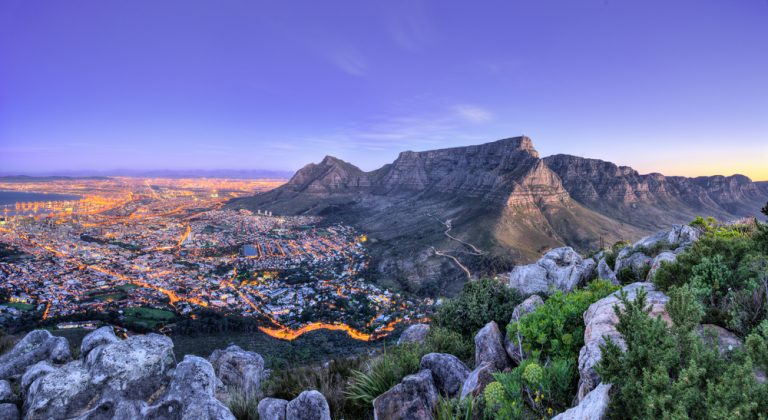
From Table Mountain, tourists can enjoy the best views of Cape Town. A unique backdrop, exciting wildlife and a mix of different cultures characterize the city.

Vibrant city and lots of nature
After landing, on the way from the airport to the city, Table Mountain appears for the first time. It is a highlight, a trademark of Cape Town. The city is at his feet and he dominates the cityscape. On some days clearly recognizable, on some days wrapped in a blanket of clouds, which push over the plateau from the sea side due to the humid air masses. Definitely worth a visit every day.

The sun is shining over Cape Town
While Europe is saying goodbye to summer and preparing for the cold days, summer is only just beginning in South Africa . The southwestern tip of Africa shines in the spring sun and October is the best time to travel to Cape Town. There is a lot to discover in the African-European city with an Asian touch. It is the diversity of the city that attracts tourists from all countries to Cape Town every year: untouched nature, the vibrant city, breathtaking beaches and coastlines, modern, trendy restaurants and the famous Table Mountain. Those who like hiking can climb the mountain on foot, everyone else can easily reach it by cable car. A particular highlight are the many dassies, the rock hyraxes, that can be found on the mountain. Somehow, the animals are reminiscent of marmots, but are related to elephants.

The climate in Cape Town

Cape Town has stable temperatures. In the summer months of November to March, daytime temperatures range from 24 to 27 degrees Celsius. At night, temperatures will drop to around 14 degrees Celsius. Even in winter, temperatures reach a pleasant 16 to 18 degrees Celsius during the day, and only during the night hours can the temperature drop to a cool five to seven degrees Celsius. The winter months also see the majority of the annual rainfall.

South Africa’s eventful history

South Africa, Cape Town
View of Cape Town, Image: michaeljung / shutterstock

The diversity of Cape Town is not only reflected in the landscape, but also in the population. The city is characterized by a mix of different cultures, from Africa as well as from Asia and Europe. If you walk through the city with a tourist guide, you can see what unites the people. The consequences of apartheid can still be felt in some places today, but at the same time people are amazed at achievements, such as the new cultural centre. One thing is clearly noticeable everywhere: great importance is attached to respect in living together within the population and in living together with visitors.

Excursions in the surrounding area are worthwhile
Cape Town has a number of sights to offer. These include the botanical garden, the V&A Waterfront with the shopping temples, Kirstenbosch and the wineries in the Constantia district. Nevertheless, a trip out of Cape Town is worthwhile. No one should miss the Cape of Good Hope and there is a lot to discover in the animal world along the way. Baboons can be seen in many places, seals can be admired on a boat trip in Hout Bay and penguins can be met in Simon’s Town. If you drive an hour and a half from Cape Town to Hermanus, you will experience whales up close. By the way, Hermanus is the only city in the world where an official whale crier lives. His job is to keep an eye out for whales all day long and blow the horn vigorously when sighted.

Culinary diversity

Cape Town at night
Cape Town at night, Image: Maurizio De Mattei / shutterstock

The diversity of the city is also noticeable in the cuisine. Food is available in all flavors and price ranges. If you want to experience African folklore, visit the Gold Restaurant and for those who want to dine particularly classy, Camissa Brasserie in the Hotel Table Bay on the Waterfront is the perfect address. How about cooking for yourself? In the Bo-Kaap district, the Malaysian quarter, a fun-loving cook offers cooking classes for tourists at her home. South Africans love barbecuing. Not only privately, but also in the hotels or on the campsite, the grilling of pork or beef as well as pieces of mutton or lamb is downright celebrated. Other culinary highlights are fish dishes of all kinds and exotic fruit and vegetable dishes.

Kazakhstan sees its future in tourism

When in 2006 the US mockumentary “Borat – Cultural Learning from America to Make Benefit for the Glorious Nation of Kazakhstan” by the British comedian and actor Sacha Noam Baron Cohen celebrated international cinema successes, the Kazakh Foreign Ministry initially threatened to sue for the obvious, albeit clearly satirically exaggerated degradation of the world’s largest landlocked country with an area of over 2.7 million km².

However, the government of the sparsely populated Central Asian country with only 18.3 million inhabitants quickly recognized the immense advertising potential of the film character for its own tourism and after the number of tourist visas applied for by foreign guests had increased tenfold in a very short time after the cinema release of “Borat”, they even thanked its actor for the unexpected help.

State subsidies to significantly expand tourism in the future

Sharyn National Park, Kazakhstan
Sharyn National Park, Image: Andrey Bocharov / shutterstock

In fact, tourism has evolved from a niche to a significant economic factor in Kazakhstan over the past two decades. In 2000, for example, less than 1.5 million visitors came to the country, in 2012 there were already over 4.8 million, and in 2016 there were already a good 6.5 million guests. In 2014, the Kazakh cabinet adopted the so-called “Tourism Industry Development Plan 2020” with an investment volume of 4 billion US dollars for the extensive expansion of tourism infrastructure and the creation of about 300,000 new jobs in the industry. In the course of this, the visa requirements for entry were also significantly simplified in the same year, so that EU citizens and German citizens now only need a passport, but no longer a visa for their stay in Kazakhstan of up to 30 days.

An English prince has helped an old Soviet ski resort to new glory

Shymbulak, Kazakhstan
The winter sports resort of Shymbulak, Image: remizovka / shutterstock

Experts and connoisseurs unanimously welcomed this initiative of the Kazakh government as a long overdue step in the right direction to finally bring the country, which is so interesting in terms of landscape and culture, a little closer to the international public. Kazakhstan also gained a certain fame through the skiing holiday that the member of the English royal family Prince Harry spent there in the winter of 2014 with his now former girlfriend Cressida Bonas. The traditional winter sports resort of Shymbulak, a good 25 kilometers south of the city of Almaty in the far southeast of the country, was already the venue for various ski competitions and training camps of the Olympic team when it belonged to the USSR. As part of the above-mentioned tourism plan, Shymbulak is to be increasingly promoted as a destination for wealthy winter vacationers from countries such as China and India in the future.

Almaty – The historic city on the Silk Road

This project seems to make quite sense due to the proximity to the venerable Kazakh capital Almaty, which is the largest and former Kazakh capital with over 1.8 million. According to archaeological finds, today’s almost 700 km² urban area was permanently settled over 2,000 years ago. Almaty was also known in Europe until the 16th century due to its geographical location on the legendary Silk Road, in the “City of Apples or Apple Trees”, which has been renamed since 1993, there are still many buildings and museums worth seeing as well as sacred buildings and theaters. These include the 371-metre-high television tower built in 1983 on the 1,130-metre-high local mountain Kök-Töbe, the Ascension Cathedral from 1907 and the St. Nicholas Cathedral from 1908. Guests of the city also like to visit the “Central State Museum of the Republic of Kazakhstan” with over 300,000 exhibits, the “State Museum of the Arts” founded in 1979 with 22,000 works of art, and the “Museum of Folk Music Instruments”, which reopened in 2013 with currently over 1,200 instruments from Kazakhstan and around 40 other countries.

The huge rocky gorge is made for rapid rides on the long river

In the surrounding, 224,000 km² province of Almaty, there is also a lot to see and discover for visitors to Kazakhstan who are interested in nature and culture. The official administrative seat of Taldyqorghan currently has a good 145,000 inhabitants, and the local history museum and the neighboring Shansgurov Museum are frequently visited here. The rock carvings in Tamgaly, which are up to over 4,500 years old, have been a UNESCO World Heritage Site since 2004. The small border town of Dostyk can be used for travel to China. The mountains around the town of Talghar, which are up to over 3,000 metres high, are popular among hikers. Architecturally more strongly influenced by Chinese than Russian or Kazakh, the mosque in the city of Sharkent is built between 1887 and 1892. The most famous natural monument in the Almaty region is the almost 90-kilometre-long “Charyn Canyon”, which is often compared to the US “Grand Canyon” because of its appearance and has also been increasingly used for whitewater rafting with rubber dinghies in recent years.

Where the legendary warlord Genghis Khan had his meal cooked

The rough and rugged rocky gorge, which glows red in the sun, is also part of the 127,000-hectare national park named after it. There are currently a total of 13 national parks in Kaschhastan, of which the areas of Altyn-Emel, Chonghar-Alatau, Ile-Alatau, Kolsai Lakes, Sairam-Ugam and Tarbaghatai are equally located in the southwest of the country. In the north, on the other hand, there are the national parks of Bajanaul, Bujratau and Burabai as well as Kökschetau and Qarqaraly, and in the far east is the country’s largest national park, Katon-Karagai, with an area of almost 644,000 hectares. Well-known attractions in the Altyn-Emel National Park are the so-called red and white mountains Aktau and Katutau as well as a historic cooking place of the mythically glorified former Mongol leader Genghis Khan. In the Bajanaul National Park there are three lakes that are much visited in the summer months, north of the Dschongghar-Alatau National Park the 2,650 km² Alaköl Lake, which is designated as a bird sanctuary. In the 112,000-hectare Qarqaraly National Park in central Kazakhstan, the two lakes Baceen and Shaitankol are popular destinations for locals.

The Timanfaya National Park: Lanzarote is so impressive

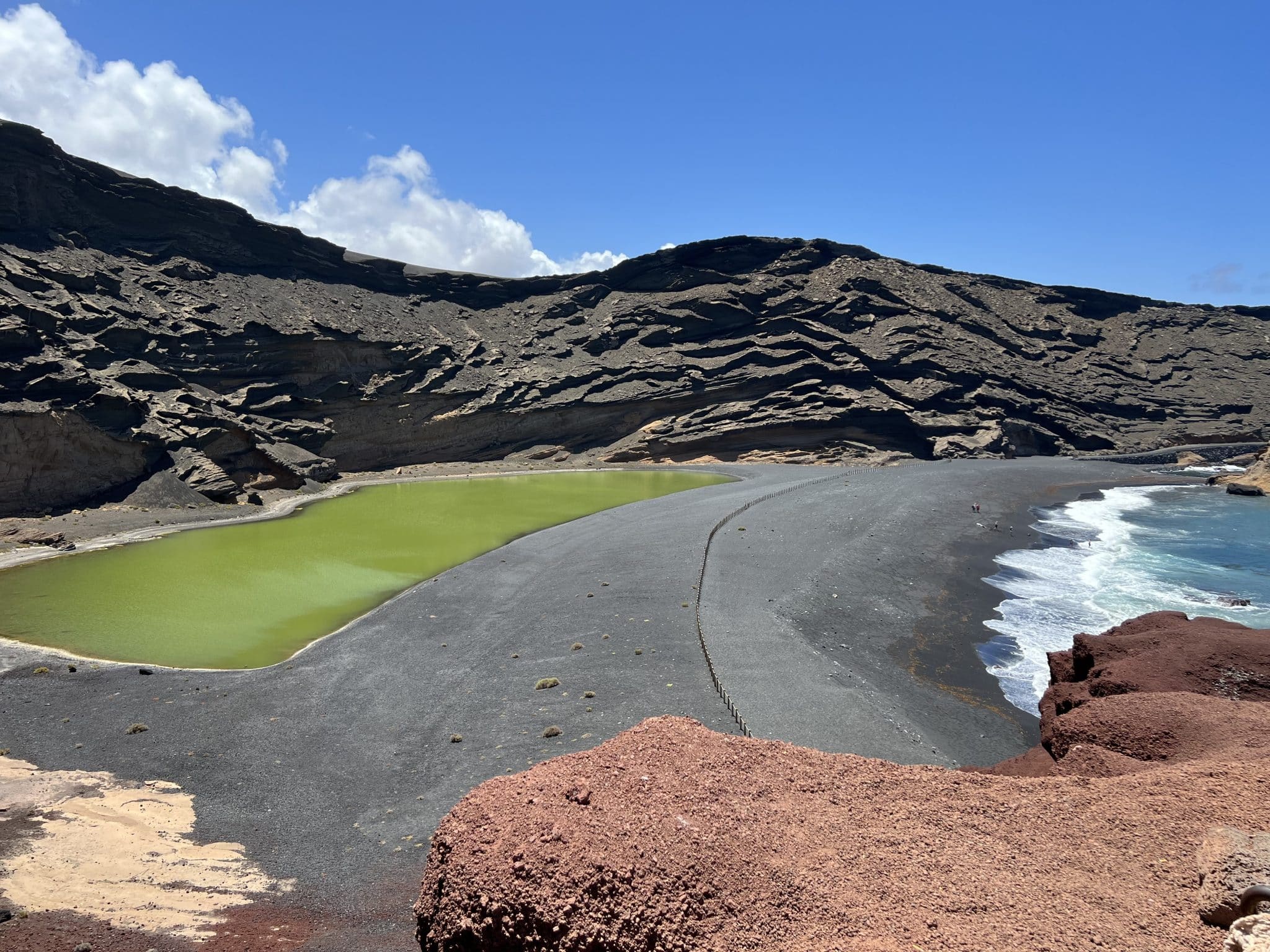
Lanzarote is one of the Canary Islands, located in the west of North Africa. The special scenic and tourist attraction of the island is due to its volcanic origin. In particular, the last major volcanic eruptions from 1730 to 1736 and 1824 shape the image of Lanzarote today. Lava rock and sparse flora are characteristic of the island. Today’s Timanfaya National Park is located in the center of the eruptions of that time. A visit to the park is therefore a unique experience.

Timanfaya National Park

High Earth Temperatures Timanfaya
High earth temperatures set plants on fire, Image: Reisemagazin Online

A visit to Timanfaya National Park is an unforgettable experience. The lava and rock landscapes seem to be from another world, wrapped in red and black hues. The imposing volcanoes radiate grandeur and convey a magical feeling. The craters and mountains bear witness to the elemental force of nature and bring it into the focus of attention.

Since 1970, the 50 km² area around the island’s most important volcanoes has been declared a national park. The landscape is characterized by the petrified lava masses that were formed during the volcanic eruptions in the 18. and 19th century were spewed out by the volcanoes. On the coast, these are in direct contrast to the beauty of the Atlantic Ocean.

Fauna and flora are weak in the Timanfaya National Park, as well as on the rest of the island. Although the first pioneer plants such as lichens and mosses have settled again since the volcanic eruptions, apart from a few succulents and thorny shrubs (the so-called Aulaga Majorera) that get by with particularly little water, not much grows on the rough ground. The animal diversity is also not particularly pronounced here. Lizards and geckos, small rodents and, of course, birds can be observed again and again.

A special feature is the area around the Islote de Hilario. Here, the temperatures are a few meters below ground at a remarkable 400° Celsius. This is made clear during guided tours as part of demonstrations.

How to get to Timanfaya

You can enter the park via the LZ-67, which connects the villages of Tinajo and Yaiza. The road runs through the middle of the Montañas del Fuego: the “Fire Mountains”. Even from the road, the large lava boulders of the region offer a breathtaking sight. Alternatively, there is the possibility to reach the national park by bus and also take a round trip there. There are also fixed hiking routes that lead along some particularly remarkable geological features.

Special offers

BBQ, Timanfaya National Park
Chicken grill of the El Diablo restaurant, Image: Reisemagazin Online

Directly on the LZ-67 is the so-called camel resting place. At manageable prices, it is possible to book a dromedary tour here. On the back of such a camel, visitors experience the park from a completely new perspective.

A special highlight of the Timanfaya National Park is the volcano restaurant “El Diablo”. “El Diablo” was designed and opened by the Canarian architect César Manrique. The restaurant, located in the middle of the Fire Mountains, was built above a 400° C hot lava pool. The cooks use the heat emanating from the lava to prepare their dishes, which are cooked on special grills and cooking stoves. If you take a trip to the national park, you should definitely plan a visit to “El Diablo” right from the start. Last but not least, the restaurant also offers a breathtaking view.

The geological peculiarity of the area is also presented during guided tours. With the help of branches and shrubs, the guides demonstrate how the high temperatures of the earth set organic matter on fire. At special devices, the tour guides also have the opportunity to let water flow into the earth’s interior via a pipe system. This creates impressive steam fountains.

Timanfaya National Park
Timanfaya National Park, Image: Travel Magazine Online

The Timanfaya National Park should definitely be on the program when visiting Lanzarote . The geological features of the island culminate here in an impressive way. The sublime landscape both directly on the coast and a little further inland testifies not only to the power and violence of nature. Especially from an aesthetic perspective, it is more than impressive. The tourist offer of the park administration is diverse. Thus, even travelers who do not want to explore the area on their own will have the opportunity to learn a lot about the geological history of Lanzarote.

The most beautiful places in Sicily

Sicily is a volcanic island in the south of Italy, right in front of the tip of the boot. It is beautifully located in the Mediterranean Sea and is home to the mysterious Mount Etna, the most active volcano in Europe. This is also the biggest attraction here next to the capital Palermo. Many holidaymakers spend their holidays here because of the Roman excavations and the art treasures, but landscape and nature are also usually the focus. Some places in the hinterland have beautiful churches and art treasures, but the coastal areas are also worth a visit. In addition, there are always special markets with cheap clothes for the shopping fans among us.

Piazza Duomo
The Piatta Duoma in Catania, Image: trabantos / shutterstock

In the east of the island lies the volcano Etna and the city that is located directly in front of it is called Catania. There used to be trams here, but they have been replaced by buses. There is still a large port today and the excursions to Mount Etna start here in the city. On a city tour, you can explore the ancient traces in the city center. In the towns around the city of Catania you can spend a wonderful beach holiday, because the beaches are magnificent, with their sun loungers and umbrellas that can be rented in summer. The city center has some beautiful ancient sights to offer. You can climb the tower from one of the many churches and have a wide view down to the sea and Mount Etna, the cathedral is reminiscent of an image of St. Peter’s Basilica in Rome and the Castello Ursino is also worth a visit. The Elephant Fountain is usually the starting point for a guided tour of the city.

Giardini Naxox

Taormina, Sicily
Taormina, Image: Romas_Photo / shutterstock

One of the most beautiful seaside resorts on the island is Giardini Naxos, which is of Greek origin. There are Greek god figures everywhere in the city and the beach is just fine sand, long and wide. In summer, but also in autumn or spring, you can go swimming here. In recent years, the town has grown and numerous hotel complexes have been built. There is an archaeological park that tells about the history of the city. On the horizon, from Giardini Naxos , you can see the mighty crater of Mount Etna. It erupts regularly every few years and is the most active volcano in Europe. You can make hikes to the New Year’s Eve craters and take a cable car up to the Schlund. The Volcanic Mountains, which are located around Mount Etna, are particularly charming. Even the runines of the houses that burned down after an eruption still stand, like a memorial in the landscape. Here you can see how powerful the force of nature can be.

Alcantara Gorge

Alcantara River, Sicily
The Alcantare River in Sicily, Image: BBA Photography / shutterstock

One of the most beautiful scenic highlights in Sicily is the Alcantara Gorge, where you can make numerous hikes, look at the river deep down in the rock layers and have to overcome numerous stairs. This gorge was also formed from the lava rock of Etna and is therefore of volcanic origin. Scenically, the date and lemon trees here are a hlighlight. The area around the gorge is very fertile, not only fruit can be found here, but also vines. Here in the hinterland of the island it is very mountainous. The small town of Castiglione di Sicilia is particularly beautiful. It is located high up on a mountain. You can take a train across the Nebrodi Mountains here.

The Isola Bella

One of the most beautiful islands located off Sicily is Isola Bella. Excursion boats regularly sail there from the well-known seaside resorts. A stop is made at the Grotte de l’amore, the grotto of love, which could not shimmer more beautifully in the warm sunlight. On the boat trips, swimming stops are planned in the most beautiful bays. The grotto glows blue, like the Blue Grotto on the island of Capri, but there are also orange corals on the walls. Shortly behind it is the Elephant Rock, which looks like a mighty animal looking out to sea. During the boat trips you get to know the most beautiful places along the coast, namely secluded bays and beautiful small beaches.

Taormina and Castelmola

Castelmola, Sicily
Castelmola, Image: glafiro / shutterstock

Two jewels in the north of the island are the towns of Taormina and Castemola, both located high up on the mountains. The best way to discover these places is to rent a scooter. Along the coast stretch small jewels, such as Sant Alessio Siculo or Mazzaro, all with a beautiful sandy beach that invites you to swim. Castelmola is located high above all this on a limestone rock, at an altitude of about 500 meters. You can go for a wonderful stroll, look at numerous artistic shops and find very good Italian restaurants and pizza shops. The castle at the top of the mountain can be visited. Particularly charming is the small bar San Giorgio, where almond wine is served. There are numerous souvenir shops along the shopping street. Taormina is also worth seeing, with its shopping streets, the view over the wide Mediterranean Sea and the numerous galleries located in colorful little houses. There is a Roman amphitheatre right on the hillside, with a wonderful view over the coastal area of northern Sicily.

Capital Palermo

Castellammare del Golfo
Castellammare del Golfo near Palermo, Image: wiesdie / shutterstock

The capital Palermo also has a lot of culture and art treasures to offer. It is the largest city on the island and is located in the northwest. Palazzo Reale and the Cathedral are just two of the famous sights here. 8 kilometres from the city centre is the Dome de Monreale, which is also worth a visit. The big city has plenty of shopping and dining options. It offers its guests all kinds of activities.