

Logo Reisemagazin
Sunday, November 1, 2026
Home Blog Page 176

Macau is a city of casino games

0

Politically, Macau, formerly a Portuguese colony, is a special administrative region of the People’s Republic of China and there is indeed a lot special in the urban area. The city is known for its lush casino worlds, which are oriented towards Las Vegas and can now hold a candle to the desert city in the USA. UNESCO has already listed Macau as a World Heritage Site. A Macau vacation is worthwhile for players who do not want to miss out on their casino experience. There is a lot to see and experience on a Macau vacation. The various Macau sights offer a successful contrast to the casino world and an all-round successful holiday can be planned.

The most beautiful casinos in Macau
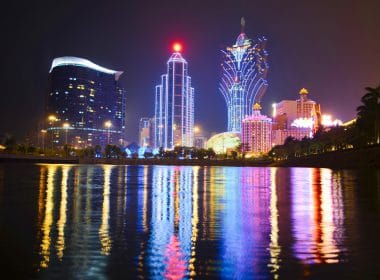
Casinos in Macau
View of Macau, Image: trabantos / shutterstock

There are quite a few extraordinarily beautiful and interesting casinos in Macau. The design in particular is often decisive for a casino to be able to occupy a very special position. Here, tourists can be surprised at the architectural features that await them in Macau. If you want to visit Macau and get in the mood a little, a visit to the online casino is ideal to take advantage of attractive bonuses and promotions. You can still play free slot games in Macau as a demo version in an online casino.

The Venetian in Macau

True to its name, the hotel creates an atmosphere that is not only reminiscent of St. Mark’s Square in Venice , but almost replicates it. Nobody in Macau would really expect that and it seems impressive right from the start. The casino is divided into four themed areas: Golden Fish, Imperial House, Red Dragon, and Phoenix. It possesses 6000 slot machines and 800 gaming tables, making it an enormous place to gamble. It is certainly one of the most beautiful Macau casinos and has a classy atmosphere that is reminiscent of classic casino movies. The dress code is correspondingly less casual.

Sands Macau

Sands Macau is one of Macau’s state-of-the-art casinos, which already promote a shiny, futuristic look with their architecture. The casino is linked to its big brother, the Sands in Las Vegas, and has a modern approach to casino life on the inside. In addition to recreational players, Sands Macau has created dedicated areas for VIP and premium players, so everyone can focus on their goal and do so in a very private atmosphere. The dress code is upscale and the ambience is very classy, which creates a special feeling that will seize every Macau vacationer.

Wynn Macau

At Wynn Resort, there is luxury for guests in every area. The hotel and casino have 7000 employees who dedicately take care of the guests and their holidays. The casino is laid out over two floors and has 1190 slot machines and 390 gaming tables. A dedicated poker room lets poker players be among themselves if they wish. The dress code is adapted to the luxury hotel and is described as smart business, so an evening at the Wynn Casino is a special experience that no one will soon forget. Within the framework of Macau China Casinos, the Wynn Macau is one of two foreign companies that have been allowed to obtain a license.

Historic buildings worth visiting in Macau

The visitor can find many historic buildings in Macau among the sights of Macau , which still point back to the old Portuguese colonial period. During this period, grandiose buildings were created, which today give the Far East Asian city a southern European touch. The most important buildings are:

• Camões Grotto
• Dom Pedro V Theatre
• Fortaleza do Monte
• Guia Fortress
• The Holy House of Grace
• The Leal Senado building
• The Lou Kau Mansion
• Macau Central Post Office

The ruins of St. Paul

Actually, between 1602 and 1640, a church was built in Macau by Jesuit priests, which was dedicated to the holy apostle Paul. The church has not stood the test of time, but the front of the church still stands as a ruin and has been delighting tourists on their Macau China vacation for decades. The ruins are accessible today and are a unique sign of time from the immediate history of the city, in which the spirit of the past is awakened.

The Luís de Camões Garden

The garden is centrally located in the city and is actually the largest park Macau owns. Here the friendship between Portugal and Macau is celebrated and so the tourist opens up an incredibly beautiful piece of nature in the middle of the city. It is named after Portugal’s greatest poet, Luís de Camões, who once had to go into exile in Macau for two years and thus established a connection to this part of the world.

The Holy House of Grace

As a Christian element, the Holy House of Grace was built by the Portuguese and administered by the church as a hospital and nursing home. Over time, it has had many functions and has also played an important role in the city’s history. In part, the house functioned as a bank or casino with a very popular lottery. In any case, the connection to today’s gambling center is striking.

Which museums must be visited in Macau?

A holiday in Macau would not be complete without visiting one or the other of the numerous and very well-positioned museums. Macau is known for its large number of museums, which can contribute to all kinds of areas of life and history of the region. Here you can choose at will which museums best fit into the area of interest of each individual.

The Grand Prix Museum
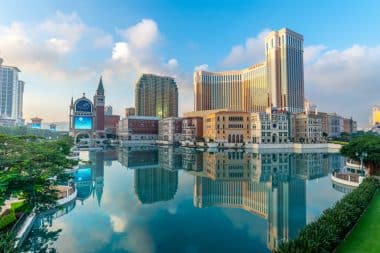
The Venetian Macau
The Venetian in Macau, Image: jeafish Ping / shutterstock
Grand Prix Museum in Macau
Grand Prix Museum in Macau, Image: KeongDaGreat / shutterstock

The Grand Prix Museum in Macau is a reminder of the race days in Macau, when the Formula 1 cars raced over the tar here. An original Ayrton Senna race car is on display and simulators make the museum a racing experience where every visitor can feel like a driver in the cockpit. A must for Formula 1 fans, an entertaining experience for ordinary tourists.

The Museum of Gifts

When Macau became a special administrative region, there was a ceremony in the city where Chinese regions wished the city luck and presented gifts representing each province. The museum was built on the site of the ceremony, which now deals with the culture and history of Macau within the framework of this special status. The gifts and other contemporary items are exhibited for visitors. Admission to the museum is free.

The Macau Museum of Art

This museum is all about art in every form. The museum, which was only established in 1999, collects all areas of art from Macau and other regions in order to further promote the artistic life of the city and create awareness of the enjoyment of art. Artists and experts are regularly invited to the museum to create a living museum through lectures and other events.

So much to see in Macau

Luís de Camões Garden
Luís de Camões Garden, Image: unununius photo / shutterstock

The variety of sights in Macau is enormous and it is usually not enough for a few days to see everything that is worth seeing. It is highly advisable to make a plan before the trip of which sights to see and what the greatest interest or topic of the trip should be, so that an appropriate route can be planned. Especially the numerous casinos such as The Venetian or the MGM Macau are a tourist magnet, but the historic buildings or the parks of the city are also inspiring. Public squares such as Lotus Square are a central meeting point and starting point for tourist trails in the city. Religious places, theme parks and other points of the city complete the experience.

Result

In the end, it all depends on what the tourist wants on his trip, because Macau can offer almost everything. This is where an individual route can help, which prevents it from becoming a one-sided experience with only museums or only casinos. Variety will lead to a dream holiday in Macau that will make every visitor return to the city.

In search of true wealth

In the summer of 2021, a family of four from North Rhine-Westphalia set off in a motorhome to experience an adventure of unexpected proportions. Coming from a fast-paced and often cold interpersonal world, they went in search of a place of warmth and contentment. The adventurers found what they were looking for in a region from which one would least have expected these qualities.

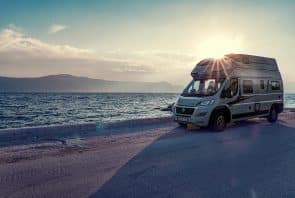
Eleven years ago, “Der Spiegel” reported on a blatant connection between serious mental health problems and prosperity. For example, in countries with a high average income, there is a significantly higher percentage of people with depression than in developing countries. Among those affected is Deborah Furin from the Oberbergischer Kreis – wife and mother of two children. She also learned about this scientific finding and, together with her husband Max, her 5-year-old son Noah and her 11-year-old daughter Isabella, set out to immerse herself in a socially incomparable world. Together with their two dogs, the Furins went on a two-month adventure in a 6-meter-long camper, which they named “Constantin”, to the second poorest country in Europe – Albania.

The adventure begins

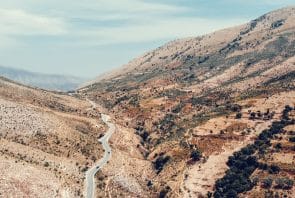
The approximately 2,000-kilometer journey alone took two weeks, as the cosmopolitan family wanted to gather impressions on the way. On the “Adriatic Magistrale” – one of the most beautiful but also most dangerous coastal roads in the world – the Furins went through the countries of Croatia, Bosnia-Herzegovina and Montenegro to Albania. The parents Deborah and Max deliberately did not want to spend a classic holiday. It was supposed to be a journey of discovery through the middle of the everyday life of another society.

Priceless experiences

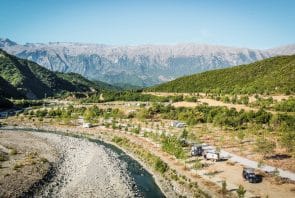
The family spent the following months in the form of wild camping. Completely self-sufficient, people lived in a motorhome in various places in the country. The extraordinarily poor infrastructure was particularly striking. In general, roads and buildings are in a disastrous condition, water from the tap is only available in a certain time window on a day. In order to make their own existence possible for the next week, the residents usually have to do hard physical work every day. One would think that depression, dissatisfaction and omnipresent egoism would be the order of the day without exception due to the situation. The opposite is the case and the Furin family experienced this circumstance firsthand. “I have never experienced such a degree of warmth, empathy and generosity,” said astrophotographer Deborah in an interview.

“We wanted to get a haircut in Albania and went to a hairdresser. Since we were making a documentary about our trip and wanted to include this scene as well, we asked if it would be possible to film. The hairdresser felt this as a great appreciation and subsequently did not charge a single cent for his service.” Such situations were not an exception, but everyday life. However, the North Rhine-Westphalians define another encounter as the highlight of the trip: “One afternoon we were picking a handful of figs when a man beckoned us to him. At the beginning, there was a great fear that we would have made ourselves unpopular with him with this action, but that was not the case. We got into conversation with the man and after a while he invited him to his family’s home for a coffee. After some time, we were actually offered if we ‘strangers’ would like to stay with them. Since this is the greatest possible gesture of appreciation you can get, we agreed. Theoretically, we could have been robbed. After all, our equipment could be made into good money by local standards. But this danger and the thought of it were never in the room. It was simply an act of pure humanity.”

Deborah and Max Furin are overwhelmed by the inhabitants of Albania: “Our expectations were regularly exceeded. For us, the tourist rejection of this country is absolutely incomprehensible. Albania should not be seen and traveled with the eyes, but with the heart.” To this day, the young family draws on these experiences and especially for the children, the two months were of enormous importance in terms of personality development.

Own documentary film about the trip

The Furins captured their extraordinary adventure on cameras in order to then produce a documentary film. This will be released on February 27 with the name “Lumturi – In Search of True Wealth” in feature length on her YouTube channel “Constantins Diary”. Deborah thus fulfills a lifelong dream. She and her husband deliberately chose a free platform for the release of the film, as they want to make their documentary accessible to everyone – regardless of the level of income. Nevertheless, the Furin family would be very happy about a voluntary donation due to the large financial outlay. In any case, the documentary film is worth watching. After all, it offers an excellent opportunity to significantly broaden one’s own horizons.

Author: Luca Kielhauser


Phu Quoc: Vietnamese “pearl” in the gold of Thailand

0

Breathtaking nature, beautiful beaches and paradisiacal sights: this is Phu Quoc. Vietnam’s largest island in the middle of the Gulf of Thailand is still a real insider tip for many holidaymakers from all over the world. More and more tourists are now discovering the advantages of this paradisiacal island for themselves, also due to the very good infrastructure. Phu Quoc has an international airport that is served daily by planes from all over the world. There are also several ports on the island. These can be approached by cruise ships as well as private boats.

Dreamlike beaches – a feeling like paradise

A large part of the tourists are drawn to the dream beaches of the island. With their white sand, crystal clear water and shady palm trees, they are among the most beautiful beaches in Southeast Asia. Here you feel like you are in the middle of paradise. The absolute number one of the beaches on the popular island is Bai Truong at the gates of the island’s capital Duong Dong. The beach, also known as “Long Beach” by Western tourists, stretches over 20 kilometers along the west coast. Beach holidaymakers get their money’s worth here, as do water sports enthusiasts. Especially on the northern section of the beach, thousands of tourists from all over the world cavort, especially in the European winter months.

In recent years, numerous large beach resorts with a comprehensive range of water sports have also been built here. Bai Truong is also famous outside the Vietnamese borders for its clean water, because no motorboats are allowed here. In the meantime, the southern section of the beach is also being developed more and more and discovered by tourists. If you like it quieter on the beach, the much smaller Bai Ong Lang in the south of the island’s capital is the right place for you. Due to the small sheltered bays, the beach is especially popular with couples. Sao Beach is also one of the most popular beaches on the island, with its white sand and gently sloping water into the sea. In addition to the numerous water sports such as jet skiing or parasailing, there are also numerous restaurants and hotels around the beach.

Duong Dong: The lively island capital

Market in Duong Dong, Phu Quoc
Market in Duong Dong, Image: Lars Ove Jonsson / shutterstock

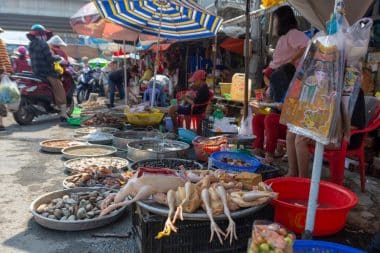
The capital of Phu Quoc is the city of Duong Dong. The city of 60,000 inhabitants is known and loved by tourists and locals as extremely lively. In the traditional Vietnamese small town, there is always a lively market hustle and bustle and Asian flair. Directly on the beach is the Dinh Cau temple, which you should definitely see when visiting the city. It is not only one of the most popular photo motifs on the island, but is also extremely worth seeing and experiencing. From the terrace of the temple you have a great overview of the beach and the fishing port. The port of Duong Dong is also a popular starting point for small and large island tours. Near the port is also the Duong Dong Market. The rest of the island also has some spectacular sights to offer. In the south of the island, for example, you should not miss the Hon Thom cable car. With a length of almost eight kilometres, it is one of the longest cable cars in the world and extends to the offshore island of Hon Thom. On the island there is a large water park, a beautiful sandy beach and several cozy cafes and restaurants.
Species-rich flora and fauna

The island of Phu Quoc is also characterized by its species-rich flora and fauna. Nature lovers get their money’s worth, especially in the north of the island in the Phu Quoc Nature Park. The national park, which covers more than 30,000 hectares, is one of the most beautiful national parks in Asia. Almost 500 different plant species can be found here. Off the coast there are also beautiful coral reefs and a wide variety of colors. The wildlife on the island also has almost 50 different and above all rare mammal species – including small-clawed otters, dwarf gloris and silver langurs. The coasts in the south are also home to more than 120 different species of fish. The island can be explored on your own or as part of a guided tour by a trained guide. Among other things, the island still has some mountains, grottos and caves.

Best time to visit Phu Qouc: November to March

The weather on the popular Vietnamese island is determined by the tropical climate with hot temperatures and high humidity. From November to March, temperatures are around 30 degrees Celsius. Precipitation is rarely to be expected during this time. May to October is the rainy season, during which continuous and extensive rainfall is to be expected

From Hamburg to the north with the camper

0

North of Hamburg are the most beautiful camper destinations in Europe. Schleswig-Holstein attracts with beautiful beaches and picturesque fishing villages. Behind it stretches the Kingdom of Denmark with the offshore islands and over 7000 kilometers of coastline. When you cross the Øresund, you are immersed in the world of Pippi Longstocking, a colourful wooden house backdrop and the fairytale archipelago. North of it, Scandinavia shows its most beautiful side with legendary fjords and untouched nature. What are you waiting for: Rent a campervan in Hamburg and go on holiday.

Discover the land between the seas with a camper

Lighthouse Sylt, Schleswig Holstein
Sunrise on Sylt, Image: Jenny Sturm / shutterstock

Schleswig-Holstein is one of the most popular German travel destinations. Some are drawn to the quiet beaches of the Baltic Sea and others prefer the harsh climate of the North Sea. The range of campsites along the coast is almost inexhaustible. Here you will find campsites with direct access to the beach or in the middle of the fertile marshland. Many islands are also easily accessible by camper. At the very top Sylt with a large selection of idyllically located campsites.

The Rantum campsite convinces with its unique location directly on the basin of the same name and the site in Wennigstedt extends directly behind the dunes. In the south of Schleswig-Holstein there are flourishing cities and small fishing villages. The land of cabbage is crossed by the Kiel Canal and from Eiderstedt you can experience North Sea holidays in a class of their own. The peninsula is an ideal starting point for mudflat hikes and the sulphur springs of St. Peter-Ording are a treat for body and mind. Theodor Storm was already inspired by this unique landscape. Real connoisseurs go to Schleswig-Holstein in spring or autumn. At Easter, everything is in full bloom and in autumn the North Sea shows its rough side. After a stimulating walk on the beach, you can retreat to the camper and enjoy fantastic sunsets.

The small kingdom in a big way

Sttrand Havneby, Römö
On the beach of Havneby on Rømø, Image: 5149mich / shutterstock

Denmark is a paradise for campers. On every corner you will find inviting places that could not be more different. If you are looking for peace and quiet, you can retreat to the family-run campsites away from the tourist areas. The campsites on the west coast are holiday centres and offer everything that belongs to an exciting holiday, from bathing areas to wellness and daily entertainment. Just across the border up to Skagen stretches Jutland, the fixed part of Denmark. The roaring North Sea coast is known for its miles of sandy beaches. The Baltic Sea coast, on the other hand, is quieter and the beaches are sloping.

The island of Rømø offers campsites in the immediate vicinity of the beach and there is a lot of activity here in summer. Fanø and Møn, on the other hand, are more of a destination for individualists. The further north you drive, the more paradisiacal the landscape becomes. The Limfjord scores with secluded beaches and picturesque harbours. Here you can buy the crabs directly from the cutter or walk through fairytale villages. The coast of Thy attracts surfers from all over the world and in Skagen you will find the most beautiful dune landscape in Europe. We continue over the Little Belt to Funen. In Odense, visitors can walk in the footsteps of the fairy tale writer Hans Christian Andersen or go whale watching on a safari. Below the Great Belt, campers are drawn to the paradisiacal islands of Langeland, Lolland and Falster. Copenhagen’s capital is known for its cosiness.

Welcome to the home of Pippi Longstocking

After driving across the Øresund, you will reach Malmö. Here, too, the maritime flair dominates. If you continue the journey, you will be immersed in the locations that inspired Henning Mankell. Mystical villages, remote coastal strips and stony archipelagos show Commissioner Walander’s backdrop. But Sweden is opposite. In some places, the colorful wooden houses seem like a land of milk and honey and one understands why Pippi Longstocking could only have been created in Sweden. It is quiet everywhere and time sometimes seems to have stopped. Even the big cities of Stockholm and Gothenburg lack any form of hustle and bustle. Holidays in Sweden mean deceleration. If you arrive here with your camper, you are spoilt for choice. There are campsites right on the beach or along the archipelago. If you want, you can camp directly at the waterfall or in the remote hinterland. In summer, festivals are celebrated everywhere and people indulge in the bright time. But the dark winters also have flair. In Swedish Lapland , you can camp in dreamlike snow-covered landscapes and watch the fairytale play of colors of the Northern Lights.

Mysterious fjords and cute trolls

Norway is unique and full of impressions. Anyone who has ever traveled the country with a camper will never get away from it. It is the interplay of nature, the fascinating landscape, the warmth of the people and the fabulous stories that make Norway seem so different. One moment you are standing on a metre-high ledge and enjoying the fantastic view of the turquoise fjord and the next moment the cold and rough wind of the Norwegian Sea bites and ice masses of the glaciers threaten to fall down on you. Even the cities are unnatural in Norway. Oslo is far too cozy for a capital. Bergen is packed with postcard motifs. Here you can also buy Christmas decorations in winter, enjoy a panorama of superlatives with the Fløibanen or simply indulge in the maritime hustle and bustle. The fjords are indescribable and constantly changing their appearance. Bizarrely, the rocks rise up into the sky, the masses of water plunge along the stony surfaces and the boats on the water look like a miniature landscape. Many holidaymakers drive by camper to the North Cape and meet moose and learn about the traditions of the Sami.

Excursion destinations on Lake Garda

0

Lake Garda attracts not only with great water, wonderful accommodations and all kinds of possibilities on the lake itself, but also with its perfect starting point for exploration tours. Geographically almost perfectly located, some of the most interesting destinations of northern Italy can be reached in a very short time. This is one reason why so many families, but also couples and singles, decide to spend the most beautiful weeks of the year at the lake. But what are the most interesting excursion destinations and sights that you should have experienced and seen during your stay before heading back home?

The sights in the immediate vicinity of the lake

There is a lot to see – no wonder, Lake Garda is huge and on its various shores some of its own villages and towns have developed. One of the absolute classics, however, is without question the Castello Scaligero in Sirmione. The small town of Sirmiona has existed for centuries and the magnificent castle ruins still speak of this time from the Middle Ages. The relatively well-preserved ruin can be visited and takes visitors for a moment back to times when tourists were still a rarity at the lake. Here you can also visit the thermal springs, which have been promising relaxation since Roman times.

Riva del Garda, Lake Garda
Lake Garda near Riva del Garda, Image: pointbreak / shutterstock

One of the most beautiful places in the immediate vicinity of the lake – and perfect for a trip – is Riva del Garda. The old city has a long history and especially the tower in the center of the city, which rises 35 meters into the air, is a popular destination for tourists. Once at the top, you not only have a great view over the lake, but also of the old town and the historic harbor, which is a last trace of how important the lake has always been for the people in the region.

If you are interested in the sights in the immediate vicinity of Lake Garda, you will eventually come across the Scaliger Castle in Malcesine. One of the oldest castles in Europe, which was probably built in ancient times and is closely linked to the history of the lake. Here you get a real insight into the historical development. The guided tours combine excitement and education for children as well as adults.

Enjoy the nature around Lake Garda with different activities

Of course, there are not only historical buildings and villages to discover. Lake Garda attracts above all with its diverse nature, the nearby Alps and the many opportunities for sporting activities. It is a paradise for hikers, who can explore the different landscapes around the lake as well as the nearby mountains. A variety of guided tours are offered in groups – but of course you can also go on an exploration tour through the area on your own and discover the beauties of nature here without strangers.

The many bicycle routes around the lake are particularly popular with holidaymakers. In most of the holiday resorts you can relax and rent bicycles or you can bring your own bikes and set off on the track. In addition to the destinations already mentioned, a trip to the hinterland is of course also recommended, where various smaller lakes and tributaries can be discovered. One or the other rustic tavern with northern Italian cuisine is also waiting to be visited.

Start city trips from the comfort of Lake Garda

Venice
The Grand Canal with the baroque church of Santa Maria della Salute, Image: Phant / shutterstock

From Lake Garda, you can visit some of the most beautiful cities in northern Italy in no time. Venice , for example, is only about 150 kilometers away and with a bus trip you can be in the city in less than three hours. Of course, there is little to say about the city itself – Venice is world-famous and the city of canals is always worth a visit, especially in the early months of summer and autumn. Strolling through the streets and maybe taking a ride in the canals can be a real highlight for your holiday in Italy .

Not only Venice is worth a visit, but also the city of Verona can be reached quickly from Lake Garda. It is a lesser-known destination and yet knows how to score with its very own charm. The historic buildings and the narrow streets are perfect for looking for small shops and great restaurants where you can eat authentically. In combination with a visit to Mantua, which is also in the immediate vicinity, you also have interesting destinations for city trips outside the metropolis of Venice if you are drawn back to the city from the countryside of Lake Garda.


Manacor – a shimmering pearl provides an upswing

0

If you come from the west and reach Manacor, you will see a lot of concrete along the road: large supermarkets, gas stations, pearl and furniture factories. On the other hand, the centre of Mallorca’s third largest city has a lot of charm and is full of art treasures. Visitors only love Manacor at second glance. The modern city coat of arms shows a hand encircling a heart. “Man a cor” translates as “hand on heart”. Historians, however, insist that the city’s name is derived much less poetically from a Berber tribe called “Mancur”.

Surprisingly untouristy for Mallorca

In addition to the city of Manacor in the east of Mallorca, eleven other towns belong to the municipality. The city itself is surprisingly untouristy. Connoisseurs claim that it has been able to retain its Mallorcan idiosyncrasies to this day. Hectic is not one of them. The relaxed way of life of the Manacori is well known, they say, and the afternoon siesta lasts longer than elsewhere on the island, despite the otherwise urban life. It only gets touristy where beaches await holidaymakers: in S’Illot, Porto Christo, Cales de Mallorca or Cala Murada. These are just a few of the eastern districts of Manacor. In Son Macia, beautiful villas and fincas with sea views are hidden in hills and on lush green mountain slopes.

Palma’s little sister is something to be proud of

The city centre of Manacor surprises holidaymakers with ancient defensive towers, magnificent Wilhelminian buildings, spacious pedestrian zones, secluded corners and pretty cafés, bars and bistros with tables and chairs under lemon trees. Here you can enjoy the “Pa amb Oli” – the typical Mallorcan bread with garlic mayonnaise. It is worth taking a walk around the squares of Sa Bassa and Plaça Constitució. Every morning there is a vegetable market on the Constitution Square. On Plaça Ramon Llull there is a weekly market every Monday where you can buy souvenirs. Maybe a salad server made of olive wood?

Manacor is known for its olive species. The atmosphere in the city centre may be a little more rustic than in the island’s capital Palma, but Manacor doesn’t have to hide. If you’re looking for shopping, this is the place for you, because boutiques abound. Above the hustle and bustle in the middle of the old town is the mighty, neo-Gothic church “Parròquia de la Mare de Déu dels Dolors” with beautiful colorful windows, figures of saints and a cloister. Like the other churches of Manacor, it is worth seeing. The city offers a variety of accommodations – from simple guesthouses to a luxury hotel with five stars. If you are looking for something original, you will find luxury apartments housed in old sheepfolds.

From the Stone Age settlement to defensive towers from the Middle Ages

As early as 2000 BC, people settled in Manacor. Remains of Stone Age dwellings are still there. The settlement of S’Hospitalet Vell, which archaeologists estimate to date back to 1500-1800 BC, surprises with the ruins of a square tower, a column and a huge stone slab as a ceiling. Towers also played a role in later centuries. In the Middle Ages, the mansions of noble families had to be protected against attackers: the two-storey Torre dels Enagistes (“Tower of the Jesuits”) from the 14th century, a true fortress, is now home to the “Museo de Historia de Manacor” for archaeology and ethnology. On display are exhibits from the past millennia: ceramics, sculptures, mosaics, graffiti from many eras and the skeleton of a Mallorcan cave goat, which is unfortunately extinct.

Upturn in the second half of the 19th century

Until the 19th century, the inhabitants of Manacor lived from agriculture and animal husbandry, windmills dominated the landscape. But in the second half of the century came the industrial boom. While pottery, wine and liqueur production continued to play a role, furniture production and pearl production now became an economic sector that is still of great importance today. Manacor became a rich city. This is mainly due to an imitation pearl that resembles natural pearls or cultured pearls. It was developed by a German. The son of a factory owner, Eduard Heusch from Aachen (1865-1937), opened Manacor’s first pearl factory in 1902 and called his product “Perlas Majórika”. The special feature: The Mallorca pearl is made of organic material from the sea and has a glass or stone core. Their mother-of-pearl layers are not made of mother-of-pearl, but of fish scales and shell limestone – which are specially processed into a kind of mother-of-pearl porridge. This is applied to the core in many layers and hardened several times. The colored shimmer comes from colored minerals. Jewellery experts appreciate Mallorca pearls because they are more robust than originals, but can hardly be distinguished from the real thing.

The Dragon’s Cave with classical music and illumination

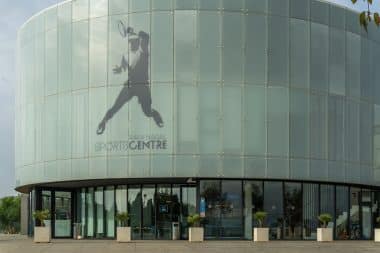
Rafael Nadal Tennis Center in Manacor
Rafael Nadal tennis center in Manacor, Image: neme_jimenez / shutterstock

If you leave Manacor behind and continue east, you will cross a scenic plain. Here, tennis player Rafael Nadal – who comes from Manacor – has built tennis courts, training centres and a school for young tennis players. The name Nadal is everywhere here, because the city is proud of him. We continue towards Porto Christo. The harbour town reminds visitors of the construction boom of the 60s, when many magnificent buildings still had to make way for parking lots. But visitors should not miss the stalactite cave Coves del Drac. It was not until 1896 that Mallorca explorer Ludwig Salvator had them researched and measured by an expedition. It not only has millions of years old, bizarrely shaped stalactites and stalagmites, but also an underground lake 180 meters long and 40 meters wide, Lago Martel. The Dragon’s Cave is a major tourist attraction. The wonderful world of the dripping stones is impressively illuminated. On the lake, a boat is picturesquely passed by the audience. In it sits a quartet that plays atmospheric classical music.

This is why Thai massage is so popular

Thai massage has been around for centuries and is still gaining popularity today due to its healing properties. A traditional Thai massage can be used to treat many different ailments and conditions, including chronic pain and stress. The massage is also so popular because it has been recognized by UNESCO as an Intangible Cultural Heritage of Humanity and is very affordable for many people because it costs less than other massages.

Benefits of a Thai massage

A Thai massage is a traditional massage that combines deep stretching with pressure to help you relax. Massage is a type of bodywork that uses long, flowing strokes and gentle, circular motions to reduce the effects of stress and anxiety, improve circulation, and increase the flexibility of your muscles. The massage technique can also help relieve pain from chronic conditions such as arthritis or fibromyalgia.

Thai massages are also popular for their therapeutic benefits, as well as their relaxing and calming effects on the mind and body. They’re a great way to relieve tension after a long day at work or university.

This is how a Thai massage works

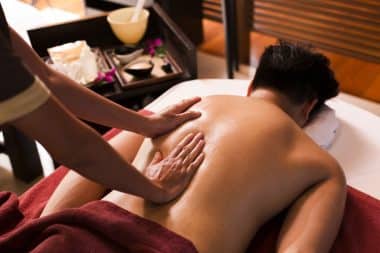
Thai massage usually begins with a foot bath in warm water, which helps to relax the muscles before the masseuse starts working on the client. Next comes a light oil massage on the back and neck before moving on to more important areas such as the arms and legs. This is followed by extensive kneading of the muscles with both hands, which helps to release tension in the muscles before applying more pressure with fingers, palms and balls of the thumbs. The client is fully clothed during the massage.

How to recognize a good Thai massage studio

If you are looking for a good traditional Thai massage studio, here are some helpful tips that can help you. Make sure it has a lot of good reviews from its past customers on various websites like Yelp and Google. These reviews can give you an idea of how well the massage studio is performing and whether or not it is trustworthy.

When looking for a good
Thai massage nearby
, you can consider other factors. Here are some of the most important factors:

  1. Location – You should find a studio that is easily accessible and close to your home or office.
  2. Massage quality – The quality of the massage is important, so make sure you know what you want before you go to a studio that offers numerous services.
  3. Price – Check out different studios in your area and find out which one offers the best value for money.
  4. Opening Hours – Make sure you know what times the massage studio is open so you can plan ahead accordingly if needed.

How often should you go for Thai massage?

Thai massage
Image: Kittibowornphatnon / shutterstock

There are no set guidelines on how often you should go for a Thai massage. The frequency depends on your health condition and how much time you have to spend on the healing process. If you want to improve your health and get the most out of the benefits of Thai massage, then it’s best to schedule one every two weeks.

However, a Thai massage is not suitable for those who have severe muscle tension, as it can increase the tension and cause pain. It is also not suitable for people with heart problems, high blood pressure or diabetes.

How much does a Thai massage cost on average in Germany?

The cost of a Thai massage can vary depending on the number and duration of sessions per day and the location where it is given, and in Germany it is around €55 for 60 minutes of traditional Thai massage.

Result:

Thai massages are believed to have some health benefits, such as relieving pain from arthritis, relieving muscle tension, improving circulation, reducing fatigue, and improving sleep quality.

The Cocos Islands in the Indian Ocean: A paradise for divers and beach vacationers

0

If you want to spend your holidays on the Cocos Islands, you should first familiarize yourself with the exact name of the archipelago that can be found in the Indian Ocean. In addition to being called the Cocos Islands, the archipelago is also known as the Keeling Islands. The Cocos Islands are a territory of Australia, although they are located 2,930 kilometers from the nearest Australian city of Perth.

The Cocos Islands are called Cocos Islands because the archipelago is known for its large population of coconut palms – it even bears their image on its flag. The islands belonging to the atoll have a total area of about 14 square kilometers. Furthermore, the Cocos Islands are extremely sparsely populated. Only about 550 inhabitants are spread over the 27 islands. If you are looking for peace and seclusion and are looking for fantastic beaches, this is the place for you. The average temperatures on the Cocos Islands are around 30 degrees all year round, which makes the islands a perfect swimming and diving destination.

How to travel to the Cocos Islands

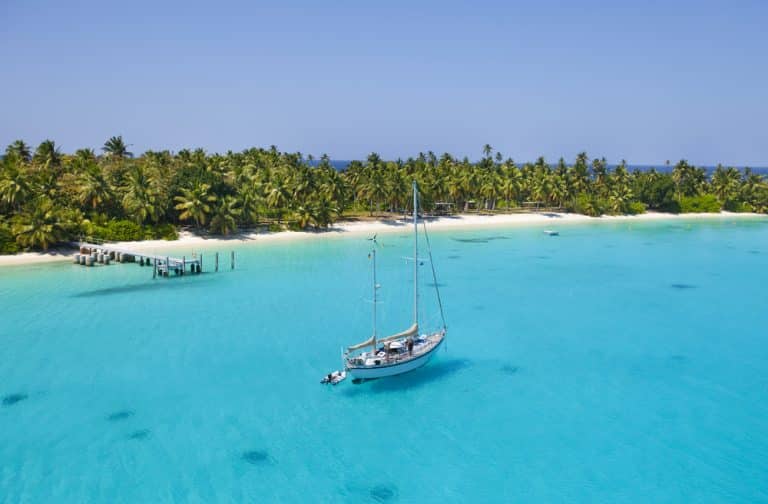
Cocos Islands in Australia
If you are looking for peace and relaxation, you are in good hands on the Cocos Islands, Image: Bildagentur Zoonar GmbH / shutterstock

Admittedly, the Cocos Islands are indeed not easy to reach. They are therefore not suitable for a short holiday from Europe, as the effort involved in the journey would simply be too high. But if you travel to Australia anyway, for example, it is worth taking a detour to the paradisiacal islands. The best way to start is from Australia. The Australian metropolis of Perth, which is located in the far west of the country and thus comparatively close to the Cocos Islands, is particularly suitable as a starting point. The flight time from Perth is approximately 4.5 hours. Direct flights are offered. The Cocos Islands Airport is located on its main island, West Island. From there, tourists can then take a boat to the other islands of the archipelago.

What you should consider when traveling to the Cocos Islands

A trip to the Cocos Islands is especially worthwhile for beach lovers and divers. Both will find the best conditions here. However, despite the pleasant temperatures all year round, it is best to arrive in the months of June to November. Outside of this period, there can be strong tropical cyclones on the Cocos Islands. In addition, there is an increase in long-lasting rainfall between December and April. There should be no problems with communication on the Cocos Islands. Since the islands are strongly oriented towards Australia, English is the official language of the archipelago. Payment is also made here with the Australian dollar. The climate is tropical, which means that the humidity on all the islands of the atoll is always very high. If you have health restrictions, you should have an informational meeting with your doctor before traveling to the Cocos Islands and check whether a stay in a tropical climate can be recommended.

The beaches of the Cocos Islands

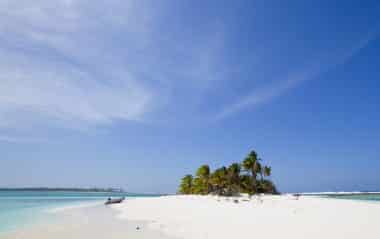
One thing has to be said right at the beginning when talking about beach holidays on the Cocos Islands: Basically, it doesn’t matter which of the local beaches tourists would like to visit, after all, the Cocos Islands have nothing else to offer than dream beaches. Everywhere and on all associated islands, the beaches captivate with the very finest, almost white shimmering sand. In front of it stretches clear turquoise blue water whose temperature is always around 25 degrees. Of course, tall coconut palms can be expected everywhere. On the larger islands, the beaches are a little busier, but never overcrowded.

If you want to have a little infrastructure, it’s best to sunbathe here. In addition to sanitary facilities, there is often a café or a small beach bar, or hammocks and beach loungers to borrow. However, tourists who value these things should always find out in advance how well equipped the beach they are heading for. If you prefer solitude on the beach, you have several options to have a dream beach all to yourself. Long walks on the beach for two as well as experiencing romantic sunsets are very easy to do on the Cocos Islands.

Exciting diving adventures in the Cocos Islands

Whether snorkeler, beginner diver or diving professional: on the Cocos Islands, all friends of a colorful and natural underwater world will be happy. Especially in the northern part of the archipelago, one spectacular diving area follows the next. The areas that are located in the area of the Pulu-Keeling National Park are particularly recommended. Mammals are not to be found in Pulu-Keeling National Park. However, there are a wide variety of bird and turtle species to marvel at.

Furthermore, divers can discover no less than 99 different species of stony corals in the national park. Nine of them can only be found exclusively on the Cocos Islands. They do not occur anywhere else in the world. In addition, there are 528 different fish species, almost 500 underwater snail species and more than 100 different mussel species. Even the most experienced diver is guaranteed to be able to make one or two new discoveries here. Snorkelers also like to visit Direction Island, as they find the best snorkeling conditions in shallow water

Top 10 in Hamburg: These are the most important sights

0

Hamburg inspires with numerous sights, some of which have a long history. Several of these sights can even be explored free of charge, as
the interactive map “Hamburg for every budget”
shows. Other sights cost little, but there are also various destinations for the slightly larger budget. In any case, Hamburg is worth a trip, whether for a short break or a long weekend.

1. The largest warehouse ensemble in the world – the Speicherstadt

Interactive map with leisure activities
for every budget

The building complex of Hamburg’s Speicherstadt is a UNESCO World Heritage Site and houses various sights. When visiting the Speicherstadt, the International Maritime Museum, the German Customs Museum and the Speicherstadt Museum should be on the program. Coffee lovers should not miss the coffee roastery.

2. Hamburg in miniature – the Miniatur Wunderland

If you visit the Speicherstadt, you can plan a visit to the Miniatur Wunderland, which shows Hamburg on a scale of 1:87 and currently has an exhibition area of 1,500 square meters. There are various special exhibitions.

3. Karoviertel in St. Pauli

The Karoviertel in St. Pauli was once a poor district. Today, many restaurants, cafés and bars invite you to linger. There are also elegant boutiques.

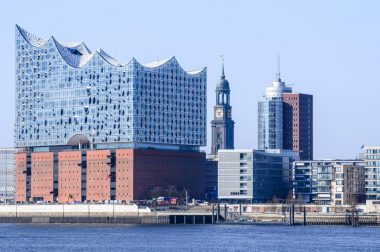
Hamburg, Elbphilharmonie
The Elbphilharmonie, Image: sunfun/shutterstock

4. The Elbphilharmonie as a landmark

The Elbphilharmonie is a concert hall and the landmark of Hamburg. It was completed in 2016 and is characterized by good acoustics. Classical concerts are performed there as well as modern events. The Plaza offers an excellent view of the city as a connection between the glass façade and the old Kaiserspeicher.

5. Blankeneser Treppenviertel with 5,000 steps

The Blankenese Treppenviertel with its 5,000 steps requires a good level of fitness. It inspires with beautiful houses on the Elbe slope and winding alleys. The Süllberg is the highest elevation at 72 meters and offers a beautiful panoramic view of Hamburg.

6. Planten un Blomen as a spacious park

If you want to relax in nature, you can do so in the 47-hectare Planten un Blomen park with the moat and many small lakes. Several hours should be planned for a visit to the park with various gardens such as the Japanese Garden, Rose Garden and Botanical Garden.

7. Germany’s Most Visited Star Theatre: Hamburg Planetarium

The Hamburg Planetarium is the most visited star theatre in Germany and one of nine large planetariums. It is located in a former water tower and is one of the longest-serving star theatres in the world. The technology and the changing program are fascinating. The observation deck offers a beautiful view of the city.

8. A market with tradition: Hamburg Fish Market

If you want to watch and listen to real market criers praising their goods, you should get up early. The Hamburg fish market opens every Sunday from 05:00 a.m. to 09:30 a.m. At the traditional market hustle and bustle in Hamburg, not only fresh fish but also other goods are sold.

9. Alster and Alsterpark with many possibilities

The Hamburg Alster is divided into the Inner Alster and the Outer Alster. Around the Alster is the Alsterpark with many opportunities to discover or relax. A high-rise viaduct stretches across the Alster. The park offers many sunbathing areas, trees, and sculptures by various artists. If you want to see more of Hamburg from the water, you can opt for a trip by pedal boat or canoe.

10. The Old Elbe Tunnel in new splendour

A technical masterpiece is the Old Elbe Tunnel, which connects the Landungsbrücken under the Elbe with the port area in Steinwerder. It is car-free and can be explored by bike or on foot. It is open around the clock and shows various motifs on tiles. The tunnel was extensively renovated.


Wernigerode – Short break in the Harz Mountains

0

Wernigerode, the colourful town in the Harz Mountains. This saying, coined by Hermann Löns, is still the motto of the city today. Located in the middle of the Harz Mountains, Wernigerode is not just colourful, but above all a state-approved resort. Generations of Germans and travellers from abroad have used the wonderful air in the Harz Mountains to recover from the exertions of their holidays. Even today, the city is still one of the absolute highlights of Saxony-Anhalt and invites you to take a short break in the Harz Mountains.

The short break in the Harz Mountains

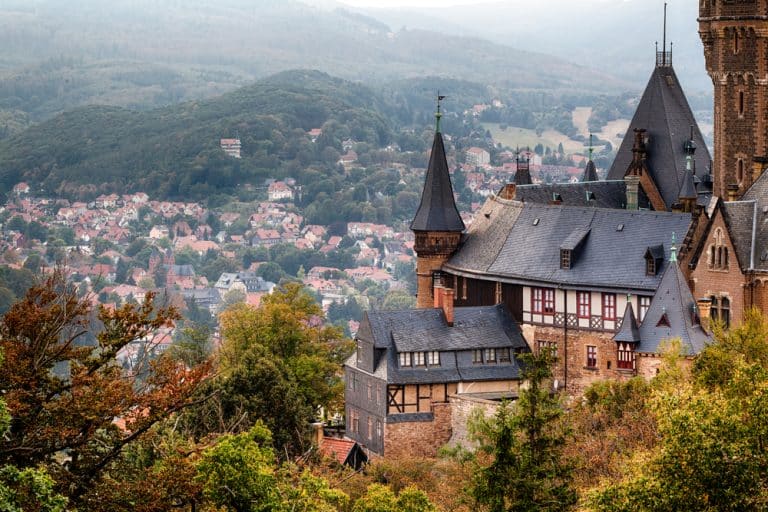
Wernigerode Castle
Wernigerode Castle, Perekotypole / shutterstock

The Harz Mountains are one of the areas of Germany that are known to almost everyone by name, but where most people have actually never been. The Central Mountains of the Federal Republic of Germany not only attract with an impressive history and many sights, but of course above all with great nature and many opportunities for relaxation and distance from everyday life. The possibilities for hiking in the Harz Mountains alone are known far beyond the fans of the sport. So if you have never been to the Harz Mountains – Wernigerode is just one of many destinations that are worthwhile for a short holiday.

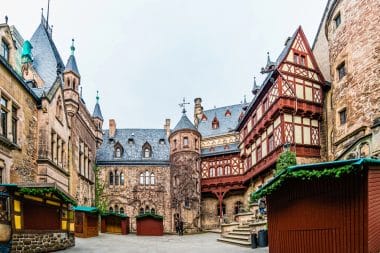
However, the city of Wernigerode is without a doubt one of the best opportunities for a first great impression of the Harz Mountains, the cities and the people. With its old town and the many historic buildings, you always have something for the eye. The motto “The colorful city” plays a very special role. It quickly becomes apparent that the buildings around the market square are painted in a wide variety of colors, that colorful decorations play an important role in the city and that the gray North German weather has no chance to dampen the mood here. The city lives the motto and that is noticeable in the first few minutes you walk through the city.

What should you see in Wernigerode?

Wernigerode has completely adapted to the tourists who move in here all year round. Especially in winter, the city centre is a festival of lights, as the local Christmas market is also known beyond the borders of the region and of course has its own charm, especially in the shadow of the many historic buildings. So if you want to go to the Harz Mountains for a short holiday, you should look around, especially in autumn and winter. However, the cultural events are spread throughout the year. Especially on Walpurgis Night, the Harz Mountains come to life with the legends about the witches and many events, celebrations and dances accompany the event.

In general, the city center is worth a visit. Not only are most of the shops and restaurants to be found here, the old houses around the market square still bear witness to the fact that the city has a long history. The market square has existed in this form since the late 16th century and has only undergone some restorations after the war. Another testimony to the former importance of this area is the Wernigerode Castle. It can be visited all year round and not only cuts a fine figure in winter, as it towers over the Harz Mountains and with its considerable towers makes a wonderful motif for postcards.

The “smallest house”, a beautiful old half-timbered house, which is particularly known for its small size, is just as worthwhile a visit as the aviation museum of Wernigerode. All in all, there is a lot on offer in the city in terms of culture, music and gastronomy. You shouldn’t have ended your short holiday in Wernigerode without having been to one of the quaint restaurants of the small town at least once, which have wonderful cuisine from the heart of Germany on their menus.

Activities and overnight stays during a short break in Wernigerode

Town Hall of Wernigerode
Town Hall of Wernigerode, Image: lunamarina / shutterstock

Hardly any other area in Germany invites you to so many activities as the Harz Mountains. If you decide to take a short break in the region, it always depends on the season. In winter, you are quickly above the snow line and find some interesting ski regions in the Harz Mountains, where you can enjoy winter sports with all its facets, especially in the depths of winter. However, you are not limited to skis or toboggans, but can enjoy the beautiful landscape on a hike and let the Harz Mountains work their magic on you. Of course, this is even better in autumn and spring, when the Harz Mountains show their green side and the vast forests on the mountains combine with folklore and the many sagas and legends associated with this region of Germany.

When it comes to accommodation, holidaymakers in the Harz Mountains actually have it quite easy. There are many offers in Wernigerode itself – with a little luck you can even spend the night right next to the historic town hall. Otherwise, tourism here has adapted to the many holidaymakers and offers overnight stays in all forms and for all price ranges, from spa hotels to simple overnight stays for winter sports enthusiasts.