If you want to go on holiday in Austria, you can look forward to a skiing holiday and delicious food. To ensure that the days in the neighboring country are a success, you should deal with the cultural differences in advance.
Beautiful neighboring country with cultural differences
Those who have never been to Austria usually think that they will get along with the local people. After all, the official language is German and the country belongs to the DACH region. When you arrive, you notice relatively quickly, depending on the place, that the vocabulary is a bit different.
In the land of Mozart , two main dialects are spoken. These are Alemannic and Bavarian-Austrian. A stay at the border usually does not entail any communication problems. It becomes more difficult if you want to talk to someone who has a Bavarian sub-dialect.
If you do not understand your counterpart at all, it is advisable to communicate in English during your skiing holiday .
Deviations on entry
While entering Germany is unproblematic and completely easy, the situation is somewhat different in the neighboring country.
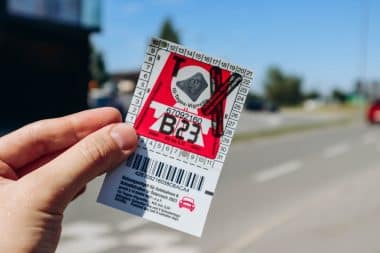
If the destination is Austria, then you should think about how you want to get to the country. If you enter by car, you will need a vignette. This also applies to cars, motorcycles and motorhomes weighing up to three and a half tonnes. There is no additional charge for caravans and trailers.
The vignette starts at a price of 19.80 euros, the costs differ according to the length of stay in Austria.
The vignette is mandatory on Austria’s roads, Image: Andrei Antipov / shutterstock
It is best to buy the vignette online, as it is valid immediately. If you decide to obtain them from a sales office, the validity only comes into force 18 days after purchase.
Note that you will have to expect additional costs along the way. The route toll is payable for some pass roads and tunnels.
This applies, for example, to the Brenner and Karawanken motorways. A fee must also be paid for the journey through the Gleinalm Tunnel. A route toll costs from 15.50 euros.
It is therefore best to check beforehand exactly where the destination is located and which routes you are taking.
In order to get through on site more quickly, it is advisable to purchase a digital route toll in advance. If you are in Austria several times a year to unwind, it is worth buying an annual pass.
Personal salutation
In Germany, you are used to being addressed in a formal manner. Be it at work, shopping or chatting with the neighbor. It can take years or even decades before it goes from the formal “you” to the “you”. You keep an emotional distance.
In Austria, however, the whole thing is much more relaxed. There, people are on a first-name basis much faster. This applies not only to work, but also to strangers, especially in the tourist strongholds . As soon as you are about one thousand meters above the mountain, you will automatically be on a first-name basis. Of course, you should also address your counterpart on a first-name basis if they do so. Otherwise, he or she could feel offended.
As for the character, you need to know that the population is known to be not quite so friendly. It is not uncommon for them to be perceived as rather grumpy.
Statements that may sound a bit grumpy should therefore not be taken personally during your holiday in Austria.
Clothing and traditional costumes
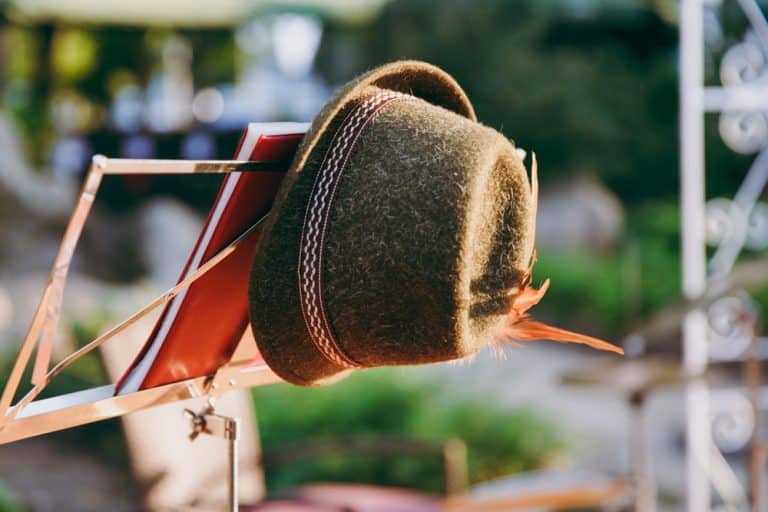
Unlike in this country, Austrians are known for holding on to their traditions. Accordingly, they often wear their traditional clothes. So don’t be surprised if you often see women in dirndls and men in lederhosen.
Within a few years, the number of e-bikes sold has increased significantly. A phenomenon that can be explained by an ecological awareness and the genuine desire of part of the population to change their travel habits. The bikes are health-promoting and your users can get around the city faster than by car. The electric bike therefore has real advantages both in everyday life when commuting by e-bike in the city and when travelling.
Getting around with a city e-bike opens up scenarios and possibilities that should not be underestimated: no more traffic, downtime or parking stress, plus zero emissions, reduced maintenance costs and physical well-being.
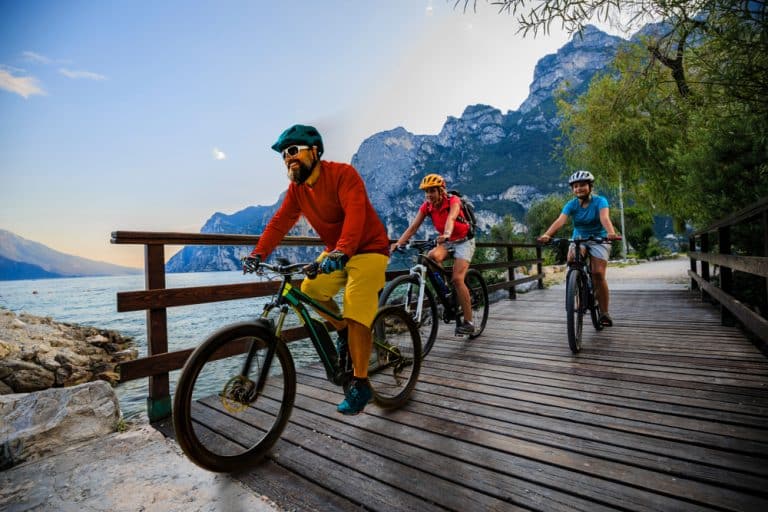
The wider use of e-bikes, which can be observed for the first time on the streets of cities, also opens up new opportunities for cycle tourism. While long-distance tours or steep climbs would be a deterrent for many holidaymakers, the e-bike opens up the prospect of an easier, less sporty and more fun cycling holiday.
Users of electric bicycles also have the opportunity to explore other destinations on day trips and return to the hotel or home in the evening. Many cyclists who were no longer able to cover long distances for health reasons suddenly have a new chance to continue with the means of transport.
There are numerous benefits to using an electric bike, which can be divided into two main areas: health and savings. These benefits are not only felt by those who use e-bikes, but also by society as a whole. The acquisition costs are higher than for a conventional bicycle due to the technology involved. Still, the electric bike is an excellent way to save a lot of money if you use it for commuting to work or for trips that you usually travel by car for. The e-bike costs you only about 1 euro in electricity costs for 1,000 kilometers ridden (0.001 euros per kilometer!).
The freedom to do sports without sweating
Hills will no longer be an obstacle to cycling, because with the assistance of the electric motor you can effortlessly (but with pedaling) overcome all the hills in your path. The enthusiasm of being on the road with a normal bike often wears off after just a few days. The electric bike offers you a more regular, less intense, but still healthy way of exerting. You constantly have the feeling that you have a favorable wind at your back, even when “riding uphill”.
Many cities and resorts have set up numerous cycle paths. This makes it easier to ride an e-bike. You drive at a good speed and completely safe from the eyes of drivers tired and stressed by traffic jams to your workplace or hotel. With an electric bike, you have the advantage of being able to choose the level of exertion more easily.
What do you have to look out for when buying an e-bike?
Ask friends and acquaintances about their experiences before you buy an e-bike. For the rest, it all depends on your needs and how you want to use it. But as a general rule, it is important to pay attention to the lighting system and the complete damping. Maybe choose a model with a fork at the front to combine it with a suspension seat. Choose tires of a certain width (over 1.5 inches) that will improve driving safety and comfort despite the increase in weight, and provide safety over potholes or tram tracks.
Brakes, motor and battery
Hydraulic rim or disc brakes provide a lot of safety with the increased weight of electric bicycles. A coaster brake can also be combined with many drives. Opt for a model with a brand-name battery, because there are significant differences in the batteries (they decide on the ranges).
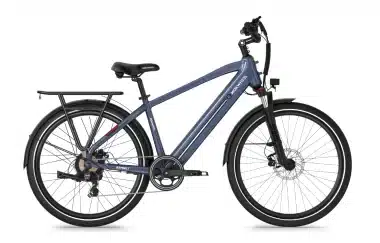
The asphalt e-bike is specially designed for the cyclists in the city, Image: Mokwheel
Tip: For urban commuters, we recommend the “Asphalt” bike from Mokwheel (RRP 1,699 euros). The asphalt is an e-bike designed for urban commuting. The battery capacity covers daily commuting needs and does not require frequent charging. In addition, the torque sensor is configured to enable efficient power transfer, allowing you to reach higher speeds and cover greater distances.
View changes
The law requires a motor with a maximum output of 250 watts for pedal-assisted bicycles. The capacity of the battery depends heavily on your weight, your personal needs and the distance you want to cover with your e-bike.
There are three standards for the position of the motor, each with advantages and disadvantages: The central motor placed under the bottom bracket is rarer, but it is preferred by many users for stability and riding pleasure. On the one hand, a rear motor ensures direct power transmission and enables energy recovery, and on the other hand, it shifts the entire load to the rear axle. In the end, the front engine is the most economical solution, but at the same time less pleasant to drive.
Weight and size
Also, keep an eye on the weight of the bike. Also consider whether you are taking luggage with you and whether the luggage rack is suitable for it. Also note the permissible total weight of rider, e-bike and luggage.
What is the right frame size for you? The theoretically calculated value is not always optimal. The measurement can determine whether the vehicle is suitable for your size or not and is mainly measured by the distance between the saddle and the handlebars, by the measurements of the seat tube and also by the width of the handlebars. The best thing to do is to try it out!
However, you may need a special solution such as a cargo e-bike or an electric tricycle for adults. Each e-bike has an on-board computer, a display and a simple control panel. If you opt for an expensive electric bike, you will be shown not only the battery life, but also the remaining mileage, your distance traveled, the current speed, etc.
With brand-name bikes, fast spare parts procurement is guaranteed, as is compliance with the legal warranty.
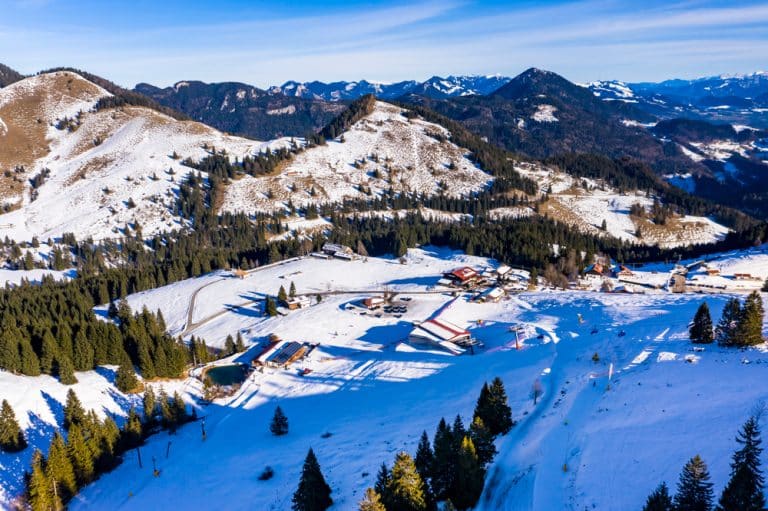
The Sudelfeld ski area is one of the most popular and largest winter sports regions in Bavaria and stretches around the municipality of Bayrischzell at 800 metres up to the Vogelsang mountain at 1,563 metres. There are extensive runs for every requirement. Families with children in particular feel very comfortable there. There are two children’s areas, a snow park, an action world and rustic mountain huts on the alpine pasture. The ski area is located about 80 kilometers south of Munich and has 31 kilometers of slopes in all levels of difficulty. Modern chairlifts – a total of 13 lifts – lead up the mountain. Ski schools and ski rentals are also an integral part of the facility. Since 2014, several major investments have been made, such as in a new chairlift, a heated ski depot or the expansion of snowmaking with snow cannons. The enchanting region was discovered for skiing 110 years ago and gradually developed.
Ski tours, ski passes and guaranteed snow on the Sudelfeld
A day tour and an evening tour are offered. The former is 2.6 kilometers long and takes about 90 minutes; the latter are available every Wednesday in a shorter (3.2 km) and a slightly longer version (4 km) with a duration of between 90 and 120 minutes. It is important to avoid the closed slopes.
Ski passes are available in half-day and day versions. There are discounts for groups. The prices are staggered for adults, young people and children. Hourly tickets are available to ski vacationers for two to six hours. Points cards can also be used to collect discounts.
In general, Sudelfeld is very snow-sure in winter, as most of the slopes are located at an altitude of between 1100 and 1500 meters. Snow clouds approaching from the north often stick to the mountains. In addition, several snow-making systems are available. 63 percent of all posts can be covered with snow. On average, skiing is possible on 100 to 120 days.
Hiking in summer
In summer, the region is ideal for hiking, Image: Benedikt Kohl / shutterstock
In summer, the Sudelfeld presents itself as a true hiking paradise. Between lush meadows and cosy alpine pastures, fantastic views of the Bavarian mountains open up again and again. Friends of aviation with model airplanes, hang-gliders or paragliders also feel at home here in summer. If you want to enjoy a bird’s eye view of the mountains yourself, book an unforgettable tandem flight. The reservoir for the snow cannons makes it even more attractive in the warm months. It blends into the varied landscape like a natural mountain lake. Hot feet of hikers are allowed to take a cooling bath in the reservoir.
Restaurants and mountain inns
At Sudelfeld there are several mountain inns, alpine pastures and rustic huts that invite you to stop for a bite to eat after a fun day on the slopes. Here, hearty classics of Bavarian cuisine, but also South Tyrolean delicacies are served. Pizza, pasta and international classics are of course not missing. There are a total of 13 locations to choose from. In summer and winter, many athletes come to the “Brösel-Alm” at the Burghotel Sudelfeld. Of course, one or the other picnic with a Bavarian snack or smaller private parties can also be organized here. In fact, the name of the alpine pasture comes from the many guests who often leave crumbs behind when eating the local delicacies.
Children’s Worlds
The SNUKI children’s area at the lower end of the Sudelfeld and the Bayrischzell winter adventure park promise games, sports and fun for the little guests. The magic carpet and the forest of figures are two of the highlights. The former is spatially separated from the other slopes. The little ones learn to ski in a playful way, while parents can relax in their own lounge. The children’s area also promises skiing fun or a fun ride on the snow tubing run. In the action world, not only the video game Shredders is popular, but also a snow park with hurdles and challenges to overcome. A freeride cross with wave tracks and adventurous steep curves brings the right kick with it.
Leisure activities, promotions and excursions
Every Wednesday is Ladies Day at Sudelfeld. There is also the Happy Hour ski pass, which is valid daily from 2:30 p.m., and a family day ski pass. Severely disabled and older seniors also benefit from attractive prices. These can be found on the official website. Tickets can be purchased online. Wellness enthusiasts visit the Tannermühl village pool in Bayrischzell. Of course, after an eventful day of skiing, you can indulge in après-ski, for example in the Geierwally umbrella bar and the Schi Alm, or you can end the evening comfortably. Day trips not only lead to the Bavarian capital Munich, but also to Schliersee and Tegernsee. Of course, nothing stands in the way of a winter hike or a shorter walk over the snow-covered alpine pastures.
Accommodations
The tourist information office in Bayrischzell will help you find suitable accommodation. Several large hotels, but also holiday apartments, smaller inns and other private accommodations are available. Popular are, for example, the Hotel Königslinde, the Postgasthof or the Klosterhof zur Post, to name just three. In most hotels, a good breakfast is included. With timely booking a few months in advance, every ski holidaymaker will find suitable accommodation to suit his taste.
Arrival and Getting Around
The Sudelfeld is easily accessible by public transport. In addition, free ski buses run from Rosenheim to the valley station during the season. Other bus lines bring visitors here from other corners of Bavaria. From Munich, the train runs hourly to Bayrischzell. For guests arriving by car, 2500 parking spaces are available for a fee.
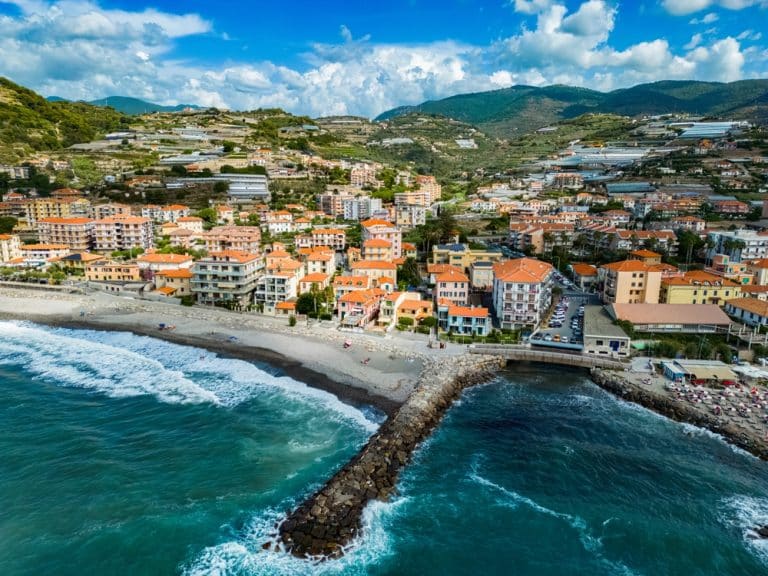
The Italian Riviera, also known as the Ligurian Coast, is a piece of heaven on earth. This stunning coastal region stretches along the Ligurian Sea in northwestern Italy and is famous for its picturesque villages, beautiful beaches, culinary delights and historical treasures. In this article, we invite you to take a fascinating journey along the Italian Riviera to discover the highlights of this region.
Ventimiglia: A touch of France in Italy Our journey begins in Ventimiglia, the first town on the Riviera to be reached from the French border. Italian charm and French flair merge here in a wonderful way. The Friday market in Ventimiglia is a must. Stroll through the alleys of the old town, taste local delicacies and admire the medieval architecture.
Camporosso: A hidden gem Just a few kilometers from Ventimiglia is Camporosso, a picturesque village that stretches out on a hill and offers a breathtaking view of the sea. The narrow streets and peaceful atmosphere make it an ideal place for a relaxing stroll.
Dolceacqua: In Monet’s footsteps Dolceacqua is not only known for its medieval architecture, but also for the charming Ponte Vecchio bridge, immortalized in a painting by Claude Monet. The village is surrounded by olive groves and vineyards and offers a romantic setting for a walk.
Vallecrosia: Pure beach life Vallecrosia is a lively seaside resort with a long seafront promenade, numerous restaurants and bars. Here you can enjoy the Italian beach life to the fullest and bask in the sun.
Apricale: A Medieval Masterpiece Apricale, one of the most beautiful villages in Liguria, enchants with its narrow streets and well-preserved medieval buildings. Lose yourself in this fairytale setting.
Bordighera: elegance and history Bordighera is an elegant seaside resort with a rich history. Visiting the Botanical Garden and Villa Regina Margherita is a plunge into the splendor of yesteryear.
Seborga: A principality on your own The tiny principality of Seborga surprises with its own currency and government. The unique atmosphere makes it a popular destination for curious travelers.
Ospedaletti: relaxation on the beach Ospedaletti is another charming seaside resort on the Riviera, known for its floral promenade. Spend relaxing days on the beach and enjoy the excellent restaurants in the evening.
Sanremo: The Queen of the Riviera of Flowers Sanremo is one of the most famous cities on the Italian Riviera and is famous for its casino and the annual Sanremo Festival. Explore the old town of La Pigna with its narrow streets and picturesque squares.
Arma di Taggia: Water sports paradise Arma Di Taggia attracts water sports enthusiasts from all over the world, including windsurfers and kitesurfers. Try fresh fish in the city’s excellent restaurants.
Taggia: Historic charm Taggia is a medieval town with a fascinating historic old town. Particularly impressive are the numerous churches and chapels that bear witness to the rich history of the region.
Riva Liguria: A beach paradise Riva Liguria is another enchanting seaside resort with a magnificent sandy beach and many leisure opportunities. Take a walk along the seafront promenade and enjoy the beautiful views of the sea.
Our reading tip:
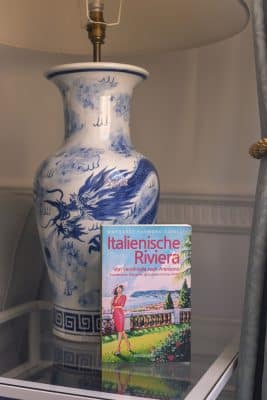
Detailed information about the Italian Riviera can be found in the detailed and beautifully described book “Italian Riviera by the Italian-English writer Margaret Raymond Savelli”, ISBN: 9781739414214
“Elegant and carefully elaborated texts, inspired by the travel literature of the late 19th century, characterize the more than two hundred and fifty pages of “The Italian Riviera. From Ventimiglia to Arenzano. An artistic, historical and gastronomic guide. 2023”, a work that aims to bring the reader closer to the soul of the places on the Ligurian coast and selected inland villages, shedding new light on their history, nature, monuments, traditions and typical products.
As an arched land between the coolness of the mountains and the warmth of the sea, the western Liguria – the northernmost of the Mediterranean countries – eternally illuminated by the sun, which brings to life one of the richest wildflowers in Italy and Europe, a succession of colourful coastal villages lapped by the waves and small mountain villages that present themselves amidst luminous olive groves and stone walls.
An ancient region whose unspoiled nature, healthy climate and wonderful views captured the hearts of the British aristocracy at the end of the 19th century is now being rediscovered in its incomparable richness of colours, tastes and scents.”
Explore the hinterland
Santo Stefano al Mare: A fishing village with flair Santo Stefano al Mare is a small fishing village with a picturesque harbour and a pretty old town. Be sure to try fresh fish at the local restaurants.
San Lorenzo al Mare: Explore by bike San Lorenzo al Mare is characterized by a long sandy beach and offers a relaxed atmosphere. The special feature is the cycle path, which runs along a former railway line and explores the coast.
Dolcedo: Idyll in the hinterland Dolcedo, a charming village in the hinterland of Imperia, is surrounded by olive groves and vineyards. The picturesque surroundings are typical of this region and invite you to take walks.
Imperia: history and olive oil Imperia is a larger city on the Italian Riviera and offers a wide range of activities. Visit the Olive Oil Museum and explore the historic center to learn about the history of the city.
Exploring the Coastal Pearls
Diano Marina: beach life to the fullest Diano Marina is a popular tourist destination with a long sandy beach and many restaurants and bars. Here you can enjoy the Italian beach life extensively.
Diano Castello: Above the rooftops of Diano Marina Diano Castello is a picturesque village in the hills above Diano Marina. The view from up here is breathtaking, and the narrow streets invite you to take a relaxing stroll.
San Bartolomeo al Mare: Family-friendly seaside resort San Bartolomeo al Mare is another pretty seaside resort on the Riviera. The beach is great for families, and the town has a relaxed vibe.
Cervo: music and history united Cervo is famous for its music festival, which takes place every summer. The Old Town is a charming place with narrow streets and historic buildings that allow you to travel back in time.
Discover more pearls
Andora: sun, beach and fun Andora is a lively seaside resort with a wide sandy beach and many water sports facilities. Here you can enjoy the sun, sea and fun to the fullest.
Laigueglia: A fishing village with character Laigueglia is a picturesque fishing village with a long history. The colorful buildings and sandy beach make it a popular destination for tourists who want to experience the authenticity of Liguria.
Alassio: Spa architecture and beach life Alassio is a lively seaside resort with a wide range of leisure activities. The town is also known for its spa architecture and the long sandy beach, which invites you to take long walks.
Albenga: Ancient Treasures Albenga, an ancient city with Roman origins, has a fascinating archaeological museum and an impressive cathedral. Immerse yourself in the past of this historic city.
Cogoleto: nature and relaxation Cogoleto is a place that delights nature lovers. The coastal region offers numerous hiking and cycling trails that lead through untouched nature.
Arenzano: A paradise for garden lovers Arenzano is known for its beautiful botanical garden, which is home to an impressive variety of plants from all over the world. Take a walk through the green oasis and enjoy the peace and quiet.
The journey continues
Spotorno: Elegance by the sea Spotorno is another delightful seaside resort with a relaxed atmosphere. The elegant buildings along the seafront give the city a touch of elegance.
Bergeggi: An island to dream about Bergeggi, a picturesque island off the coast, is a popular destination for divers and snorkelers. The crystal clear waters offer a fascinating underwater world.
Vado Ligure: A port of history Vado Ligure is an important port on the Riviera and offers insights into the maritime history of the region. Stroll along the harbour and enjoy fresh fish in the restaurants.
Savona: history and culture combined Savona is a city with a rich history and cultural treasures. Visit the Priamar Fort and explore the charming old town.
Albissola Marina and Albisola Superiore: art and ceramics The two coastal towns of Albissola Marina and Albisola Superiore are known for their ceramic art. Visit the workshops and galleries to pick up unique souvenirs.
Celle Ligure: An insider tip Celle Ligure is a quiet seaside resort perfect for a relaxing beach holiday away from the tourist crowds. Enjoy the peace and quiet and the picturesque surroundings.
Varazze: Active holidays on the Riviera Varazze is a popular destination for active vacationers. Here you can go hiking, climbing, cycling and enjoy water sports. The nature of the surrounding area is breathtaking.
The finale by the sea
Cogoleto: A fishing village with flair Cogoleto is a pretty fishing village with a lively atmosphere. Stroll along the coastal promenade and enjoy fresh seafood at the local restaurants.
Arenzano: For garden lovers Arenzano is known for its enchanting botanical garden, which houses an impressive collection of plants from all over the world. A walk through this green oasis is a real treat.
Conclusion: A paradise on the Ligurian coast
The Italian Riviera is a true paradise for travelers who long for sun, sea, culture and culinary delights. From the charming coastal towns to the dreamy mountain villages and the historic towns, there’s plenty to explore in this region. The Italian Riviera is a place where the beauty of nature meets the fascination of history and where the Mediterranean way of life shines in all its splendor. Set off and experience for yourself the wonders of this magical coastal region that will be etched in the memory of every traveler.
Germany, with its picturesque rivers and lakes, offers a variety of opportunities for water sports enthusiasts. A boating licence opens the doors to these wonderful experiences. But what exactly does this driver’s license include, and why is it so important?
Germany is rich in waterways, from the majestic rivers such as the Rhine, Elbe and Danube to the idyllic lakes such as Lake Constance, Lake Chiemsee and Müritz. These waters attract thousands of boaters every year, both locals and tourists. Boating allows people to experience the natural beauty of the country from a completely new perspective. It also offers a wonderful way to relax, away from the hustle and bustle of everyday life.
But in order to navigate these waters safely, it is essential to have the necessary knowledge and skills. Here comes the SBF Binnen comes into play, a driving licence specially developed for driving on inland waterways.
Requirements and requirements for the boating licence
Before embarking on the adventure of boating, you must meet certain requirements. First of all, you must be at least 16 years old. Health suitability is also a must, and this is proven by a medical certificate. Proof of reliability, in the form of a copy of the driver’s license or a certificate of good conduct, is also required.
“A boat is safe when it’s in port, but that’s not what boats were built for.” – William Shedd
The way to get a boating license: steps and tips
The goal of desire: the boat license, Image: John-Fs-Pic / shutterstock
The process of obtaining a boating license in Germany is thorough and ensures that everyone who sails the waters is safe and competent. The first step is to learn the theoretical basics. This includes understanding the rules of the water, navigation, and safety procedures. After theory comes practice. In 1-2 driving units you learn everything you need to know for the exam. The last step is the exam itself, which includes both a theoretical and a practical part. Another important aspect is choosing the right boat school. It’s wise to research different schools in advance, read reviews and recommendations, and maybe even plan a local visit. The quality of education can vary significantly, and it is crucial to choose a school that not only offers the best value but also has a good reputation in the industry. A good instructor can be the difference between a successful experience and a frustrating one. So it is worth choosing carefully here.
Costs and possibilities for financing
A boating license is an investment in safety and competence. The costs vary depending on the school and region, but on average you can expect to pay around €375. This usually includes learning materials, practical training and exam fees. There are also financing options, such as installment payments, that make it easier for candidates to cover the costs.
Important tips for aspiring boaters
For anyone new to boating, it’s important to always be safety-conscious. Wearing a life jacket, paying attention to weather conditions, and avoiding alcohol while driving are just a few of the basic safety tips. It is also advisable to attend regular training courses and keep up to date with changes in regulations and best practices. In addition, beginners should always remember to build up their skills and knowledge gradually. It’s tempting to venture into deep waters right away, but it’s smart to start with shorter, easier rides and slowly work your way up to more complex challenges. Gaining experience in different water conditions and learning from experienced boaters can also be invaluable. It is always better to be careful and take your time to learn how to boat properly than to take unnecessary risks.
Key Findings and Next Steps
Boating in Germany is a wonderful experience, but safety and competence are paramount. A boat license is the key to this. He ensures that everyone who sails on the waters does so with the necessary knowledge and skill. For those who are considering getting a boating license, now is the right time to take the first step and discover the joys of boating.
The Dominican Republic, a country known for its stunning beaches, warm, clear waters, and friendly people, has many beautiful destinations to offer. One of them is La Romana, a coastal town on the southeast coast of the island of Hispaniola. La Romana is a true paradise for travelers looking for the perfect blend of relaxation, adventure and culture. In this article, we will explore La Romana in depth, from its dreamy beaches to its cultural treasures.
La Romana, with its stunning coastline on the Caribbean Sea and rich history, is one of the jewels of the Dominican Republic. The city is known for its luxurious resorts, but it also has an authentic side to explore. Whether you want to relax on the beach, practice water sports or experience the rich culture of the region, La Romana has something for every traveler.
The beaches in La Romana are among the most beautiful in the world, and they are undoubtedly one of the main attractions of the region.
Playa Bayahibe
Playa Bayahibe is a stunning beach located just a short drive from La Romana. This beach is known for its crystal clear waters and soft, white sand. It is an excellent place for snorkeling and diving, as it is very close to the Isla Catalina National Park Reserve, which offers some of the best coral reefs in the Dominican Republic. Here you can spot tropical fish, colorful corals, and maybe even manta rays.
Playa Dominicus
Playa Dominicus is another beautiful beach near La Romana. This beach is especially popular with families as it offers shallow waters and gentle waves. Guests can sunbathe, swim, or try water sports such as kayaking and stand-up paddleboarding. The area around Playa Dominicus also offers a variety of restaurants and shops.
Playa Minitas
For those looking for luxury, Playa Minitas is the place to be. This beach is part of the exclusive Casa de Campo Resort, one of the most prestigious resorts in the Dominican Republic. Here you can relax in a private beach club, practice water sports and take advantage of first-class services. The beach is also known for its impressive views of Isla Catalina.
Natural beauties in the area
Apart from the beautiful beaches, the surroundings of La Romana offer many natural beauties and adventures.
Saona Island
Saona Island is a paradise on earth and a must-see for any visitor to La Romana. You can take boat trips to the island, where you can enjoy the beautiful beaches, turquoise lagoons, and relaxed atmosphere. The island is part of the Parque Nacional del Este National Park and offers plenty of opportunities for snorkeling and spotting native wildlife.
Altos de Chavón
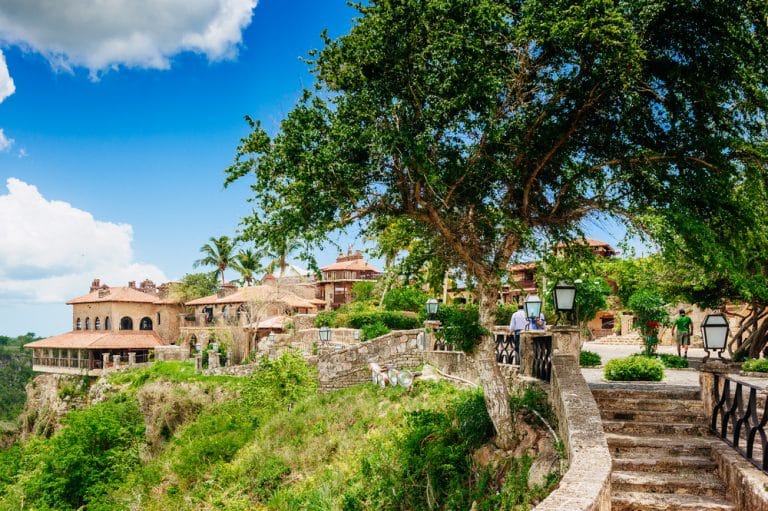
Altos de Chavón is a picturesque village near La Romana that looks like a piece of the Middle Ages in the Caribbean . Built in the 1970s as an artistic hub and tourist attraction, the village has a charming atmosphere with cobblestone streets, a Roman Catholic church, and impressive views of the Chavón River. You can explore the village, visit artisan shops and tour the art school.
Cueva de las Maravillas
The “Cave of Wonders” is an underground cave system found near La Romana. The cave is rich in stalactites and stalagmites and features fascinating geological formations. A guided tour of the cave will allow you to admire the breathtaking beauty of this underground world and learn more about its history.
Cultural experiences
Catuano on Saona, Image: MaRap / shutterstock
La Romana and its surroundings also offer a rich cultural experience.
Cultural Shows at the Altos de Chavón Amphitheater
The Altos de Chavón Amphitheater is not only known for its picturesque setting, but also for its high-profile cultural events. Here you can experience concerts, theatre performances and artistic performances. The atmosphere of the amphitheater, illuminated by the lights of the lanterns and the starry sky, is unique and unforgettable.
Local markets
Visit the local markets in La Romana to discover handmade handicraft products, souvenirs, and local products. La Romana’s Central Market is a great place to find authentic Dominican artisan products.
Culinary delights
Dominican cuisine is rich and varied, and in La Romana you will have the opportunity to taste some of the best dishes in the country.
La Casita de Papi
La Casita de Papi is a popular restaurant in La Romana, known for its delicious seafood dishes. Try the “pescado a la criolla” (fish in tomato sauce) or the “mofongo” (fried plantains with garlic and meat).
El Pescador
El Pescador is a restaurant on Bayahibe beach that serves fresh seafood in a relaxed atmosphere. Here you can enjoy grilled crawfish, grilled fish and other delicacies while enjoying the view of the sea.
Local specialties
Don’t forget to try local specialties such as “tostones” (fried green plantains) and “yuca” (cassava). These side dishes are often served with the main courses and are a must for any culinary adventurer.
Accommodations
La Romana offers a variety of accommodations, from luxurious resorts to cozy guesthouses and boutique hotels. Here are some popular options:
Casa de Campo Resort & Villas
Casa de Campo is one of the most famous luxury resorts in the Dominican Republic. The resort offers villas, golf courses, exclusive beaches and a wealth of activities. It is the perfect place for discerning travelers looking for first-class service.
Hilton La Romana
The Hilton La Romana is an all-inclusive resort that offers relaxation and adventure in equal measure. With several pools, restaurants and a wide range of water sports, this resort is ideal for families and couples.
Cadaqués Bayahibe
Cadaqués Bayahibe is a charming boutique resort located near La Romana. It offers stylish rooms, a private beach and a tranquil atmosphere. This resort is perfect for travelers looking for an intimate and relaxed environment.
Result
La Romana is undoubtedly a dream destination in the Dominican Republic. With its stunning beaches, natural beauty, cultural treasures, and culinary delights, it offers a wide range of experiences for travelers of all kinds. Whether you want to relax on the beach, go on adventures or explore the rich culture of the region, La Romana will delight you with its beauty and diversity. Plan your trip today and discover this paradise in the Caribbean.
Puerto Plata, also known as the “Silver City”, is a true gem on the north coast of the Dominican Republic. This charming town and its surrounding communities offer a rich mix of natural beauty, cultural diversity and exciting activities. In this article, we’ll take you on a journey through Puerto Plata and reveal the best sights, activities, and culinary experiences that await you in this enchanting region.
Puerto Plata, the capital of the province of the same name, is a place where you can experience the authentic Dominican Republic . The city itself is a bustling center with a mix of colonial architecture and modern flair, while the surrounding communities offer a wealth of natural and cultural treasures. Whether you’re looking for adventure, relaxing on the beach, or exploring the history and culture of the area, Puerto Plata has something for every traveler.
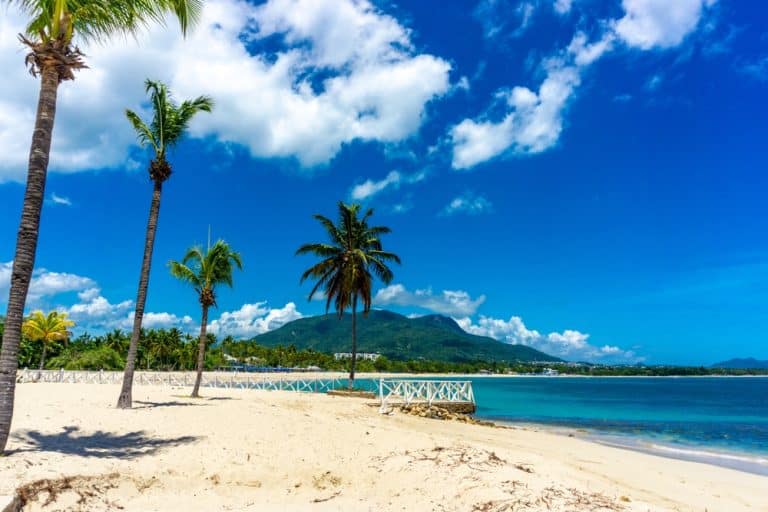
The beaches of Puerto Plata are some of the best in the Dominican Republic, and they are undoubtedly one of the main attractions of the region. With soft, golden sand, crystal clear waters, and palm trees blowing in the wind, Puerto Plata’s beaches provide the perfect backdrop for a relaxing seaside vacation. Here are some of the beaches that you should definitely visit:
Playa Dorada
Playa Dorada, in German “Golden Sands”, is one of the most famous beaches in Puerto Plata. This mile-long stretch of sandy beach stretches along a bay and is lined with a variety of all-inclusive resorts. Here you can not only swim in the turquoise waters, but also try water sports such as windsurfing and sailing. Playa Dorada is also famous for its golf course, which was designed by Robert Trent Jones and is considered one of the best in the Caribbean .
Cofresi Beach
Cofresi Beach is less crowded and offers a quieter atmosphere. This beach, surrounded by lush vegetation, is great for sunbathing, swimming, and snorkeling. If you are looking for peace and relaxation, this beach is the perfect choice.
Playa Grande
Playa Grande, or “Big Beach”, is a true nature treat. It is located just outside Puerto Plata and is surrounded by high cliffs and lush greenery. This beach is especially known for its crystal clear waters and picturesque surroundings. It is the ideal place for a romantic walk on the beach or a picnic with the family.
Sosua Beach
Sosua Beach is another popular beach near Puerto Plata. It is characterized by its lively underwater life and is a popular place for snorkeling and diving. Along the beach you will find numerous bars and restaurants serving fresh seafood and tropical cocktails.
Natural beauties and adventures
In addition to the beaches, Puerto Plata also has a rich natural environment that will delight the adventurous.
Teleférico Puerto Plata
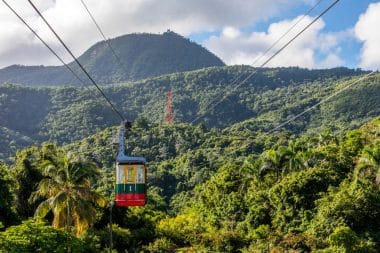
Teleferico in Puerto Plata, Image: lemontune.com / shutterstock
One of the best ways to experience the natural beauty of Puerto Plata is to take the “Teleférico” cable car to the top of Isabel de Torres Mountain. This cable car ride takes you to the top of the mountain, where you can enjoy stunning panoramic views of the city and the surrounding countryside. At the summit, you’ll also find a replica of Rio de Janeiro’s statue of Christ the Redeemer, known locally as the “Cristo Redentor.” It is not only an impressive religious monument, but also a great viewpoint.
27 Waterfalls of Damajagua
Another exciting adventure awaits you in the 27 waterfalls of Damajagua. These natural waterfalls are a popular destination for canyoning and hiking. You can climb up the 27 waterfalls and then jump into the refreshing pools below. An experienced guide will lead you safely through this exciting tour.
El Choco National Park
El Choco National Park is a nature lover’s paradise. This protected area is home to a variety of plant and animal species, as well as impressive caves and underground rivers. You can take guided tours of the park and explore the natural beauty of this region.
Cultural treasures
Aside from its natural beauty, Puerto Plata also has a rich cultural history that you can discover during your visit.
Fort San Felipe
Fort San Felipe is a historic monument and one of the most famous attractions in Puerto Plata. Built in the 16th century, this fort served to protect the city from pirate attacks. Today, it houses a museum that sheds light on the history and military significance of the fortress. The views from the fortress walls of Puerto Plata’s harbor are breathtaking.
Amber Museum
The Dominican Republic is known for its amber (Spanish: “ámbar”), and the Amber Museum in Puerto Plata is home to an impressive collection of amber found in the region. Here you can learn more about the creation of amber and its use in jewelry. It is a fascinating insight into the geology of the region.
Malecón
The Malecón is Puerto Plata’s waterfront and a great place to walk and soak up the local atmosphere. Here you will find numerous restaurants, bars, shops and even street performers. An evening stroll along the Malecón is an excellent way to experience the vibrant life of the city.
Culinary delights
Dominican cuisine is rich and varied, and in Puerto Plata you can taste the best local specialties.
Mofongo
Mofongo is a popular Dominican dish made with green plantains. The bananas are mashed into a kind of puree and mixed with garlic, bacon and other ingredients. The result is a hearty and delicious dish that is often served with grilled meat or seafood.
Tostones
Tostones are deep-fried green plantains that are shaped into small pancakes and then fried until crispy. They are a popular side dish or snack in the Dominican Republic and are often served with ketchup or mayonnaise.
Sancocho
Sancocho is a hearty stew made with meat, vegetables, potatoes and spices. It is a popular dish in the Dominican Republic and is often served on special occasions or celebrations.
Dominican Coffee
The Dominican Republic is also known for its coffee, which thrives excellently due to the fertile soil and ideal climate in the region. Try a cup of fresh Dominican coffee, which is often strong and flavorful.
Accommodations
Puerto Plata offers a wide range of accommodations to suit the needs and budgets of all travelers. From luxurious all-inclusive resorts to charming boutique hotels and cozy guesthouses, there are plenty of options. Here are some popular options:
Casa Colonial Beach & Spa
Casa Colonial Beach & Spa is a luxury boutique hotel located right on the beach in Playa Dorada. It offers elegant rooms, excellent service and a relaxed atmosphere. The hotel also has an award-winning spa and several gourmet restaurants.
Iberostar Costa Dorada
The Iberostar Costa Dorada is an all-inclusive resort that offers a wide range of amenities and activities. From pools and waterslides to evening entertainment and excellent dining options, this resort has something for everyone.
VH Atmosphere Adults Only Resort and Beach Club
If you’re looking for a quiet and romantic retreat, VH Atmosphere Adults Only Resort and Beach Club is the perfect choice. This adults-only resort offers a beautiful beach, a spa, and a relaxed atmosphere.
Airbnb
For travelers who prefer to stay in private accommodations, there are many Airbnb options in Puerto Plata. You can find a villa on the beach, an apartment in the city or a cozy holiday home in the mountains.
Result
Puerto Plata is undoubtedly one of the best destinations in the Dominican Republic. With its stunning nature, rich cultural heritage and delicious culinary traditions, it offers a wealth of experiences for travelers of all kinds. Whether you want to explore the beaches, immerse yourself in history, or just relax, Puerto Plata will delight you with its beauty and diversity. Plan your trip today and discover this tropical paradise in the Caribbean.
France, the land of love, wine and culture, is not only to be found on the European continent. It also extends beyond the world’s oceans, where it has a fascinating collection of overseas territories and islands. These French islands are much more than just exotic destinations; they are a living heritage of French history and culture. In this in-depth article, we’ll explore the treasures of the French islands, from the Caribbean to the Indian Ocean, and give you a glimpse of the stunning diversity and charm of these distant paradises.
Known for its romantic boulevards, impressive castles and famous cuisines, France also has a vast overseas territory scattered across the Atlantic, Pacific and Indian Oceans. These overseas territories include French islands, atolls, and archipelagos, many of which have a rich history and culture.
These French Overseas Territories are not only beautiful destinations, but also unique places where the cultures and traditions of France merge with the influences of the local populations in a fascinating way. In this article, we will focus on some of the outstanding French islands that are worth visiting and explore their unique features, activities, and cultural treasures.
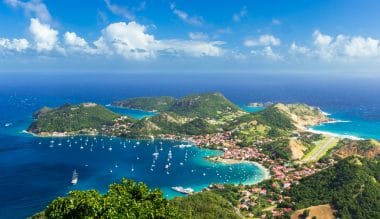
View of Gouadeloupe, Image: Robert Bleecher / shutterstock
Our first stop takes us to the Caribbean, more precisely to Guadeloupe. This archipelago consists of two main islands, Basse-Terre and Grande-Terre, separated by a narrow inlet, as well as several smaller islands. Guadeloupe is a French overseas territory and a paradise for nature lovers.
Nature and adventure
Basse-Terre, the western part of Guadeloupe, is characterized by dense rainforest and breathtaking waterfalls. Here you will find the Parc National de la Guadeloupe, a huge nature reserve that attracts hikers and adventurers alike. The La Soufrière volcano towers majestically over the island and offers hiking trails to its summit and crater.
But Guadeloupe doesn’t just offer green landscapes; the beaches are also stunning. The islands are surrounded by fine sandy beaches and turquoise waters, including the famous Plage de Grande Anse on Basse-Terre and the Plage de la Caravelle on Grande-Terre.
Culture and gastronomy
Guadeloupe is a melting pot of cultures, and this is reflected in its cuisine and culture. French, Creole, and African influences characterize the local cuisine, which is filled with exotic spices, seafood, and tropical fruits. Try dishes such as Colombo, a spicy curry, or Accras de Morue, deep-fried cod balls.
The culture of Guadeloupe is also evident in the music and dance, especially in the traditional Gwo-Ka dance, which is often accompanied by drums. The islands also have a thriving art scene with local artisans and painters.
Martinique: The Flower of the Caribbean
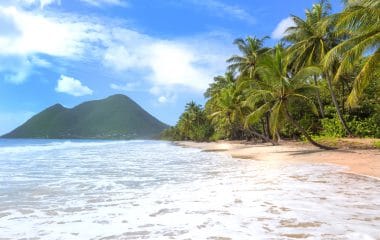
Fantastic beach in Martinique, Image: Petr Kovalenkov / shutterstock
Just a short boat ride from Guadeloupe is Martinique, another French island in the Caribbean. Often referred to as “the flower of the Caribbean,” Martinique is known for its lush vegetation, surprising landscapes, and charming cities.
Volcanic wonders
The most distinctive geographical feature of Martinique is the active volcano Mont Pelée, which towers over the island. This volcano is the main attraction for nature lovers and adventurers. Hikes to the summit offer spectacular views, but caution is advised as the volcano is still active.
Fort-de-France and culture
The capital of Martinique, Fort-de-France, is a vibrant center of culture and history. Visit the Schoelcher Museum, dedicated to abolitionist Victor Schœlcher, or explore Dubuc Castle, a historic fort dating back to the 18th century.
Martinique is also famous for its Carnival celebrations, which are among the best in the Caribbean. The island thrives on music and dance, and Carnival is a perfect opportunity to get to know the island’s vibrant culture.
Rum and Gastronomy
Martinique is an important producer of rum, and visiting a rum distillery is among the popular things to do on the island. Try the famous Rhum agricole, which is made from fresh sugar cane juice and has a unique taste.
The cuisine of Martinique is a delight for the senses. Try local specialties such as blaff, a spicy fish dish, or accras, the popular deep-fried dumplings.
Réunion: The adventure in the Indian Ocean
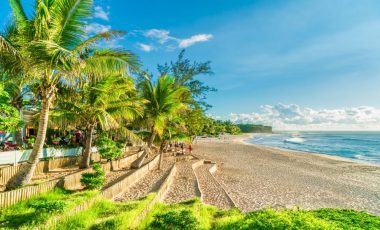
Reunion is simply paradise, Image: Balate Dorin / shutterstock
We leave the Caribbean and make our way to the Indian Ocean, where we meet Réunion . This French island is a true natural paradise and offers some of the most spectacular scenery in the world.
Volcanic wonders
Réunion is an island characterized by volcanoes. The active volcano Piton de la Fournaise is one of the most active volcanoes in the world and attracts adventurers and volcanologists from all over the world. Hikes to its craters offer insights into the power of nature.
Natural resources
Réunion is also rich in other natural treasures. The island is surrounded by deep gorges, waterfalls and dense rainforest. The Cirque de Mafate, a remote high valley, is a UNESCO World Heritage Site and a popular destination for hikers.
Culture and food
Réunion is a melting pot of cultures, and its cuisine reflects this. Try rougail, a spicy dish made from meat or fish that is often served with rice, or cari, a spicy curry dish.
The island also has a vibrant music scene, especially the maloya, a traditional style of music that was shaped by African slaves.
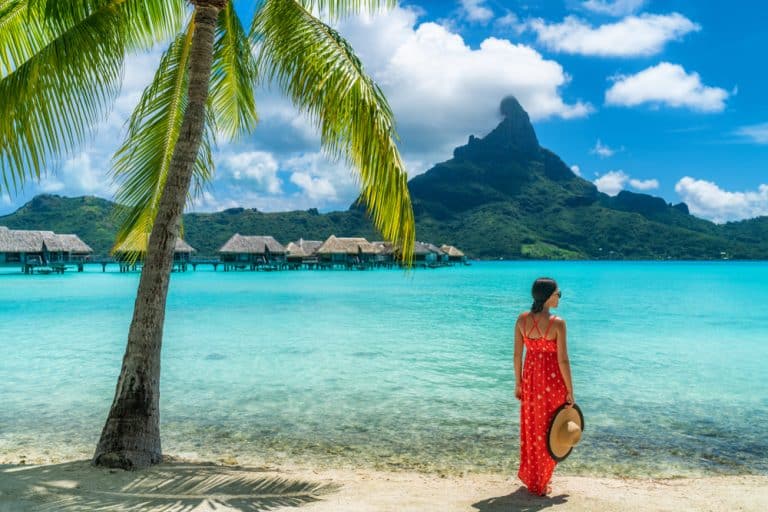
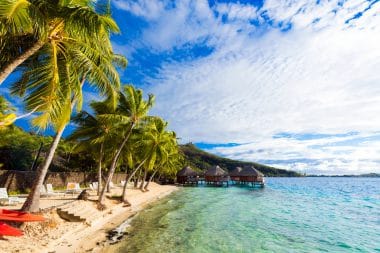
French Polynesia is a huge archipelago in the South Pacific Ocean that consists of 118 islands and atolls. This region is known for its white sandy beaches, clear lagoons and luxurious bungalows over the water.
Dreamy beaches and water activities
The beaches of French Polynesia are world-famous. The beaches of Bora Bora are among the most beautiful in the world and are a paradise for water sports enthusiasts and divers. The clear lagoons are perfect for snorkeling and swimming.
Culture and Tiki
French Polynesia has a rich culture that is shaped by Polynesian traditions. Visit a tiki village to learn about the local art, music, and way of life.
The cuisine of French Polynesia is a delight for gourmets. Try poisson cru, a delicious raw fish salad, or taro, a starchy vegetable used in many dishes.
Overwater Bungalows
French Polynesia is known for its luxury resorts with overwater bungalows. Staying in such a bungalow offers ultimate privacy and spectacular views of the turquoise waters.
Corsica: The beauty of the Mediterranean
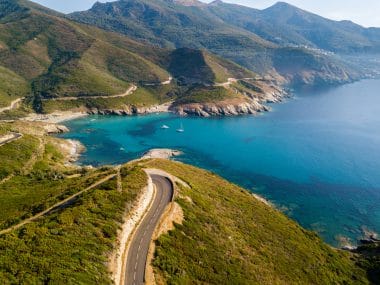
On the road in Corsica, Image: Naeblys / shutterstock
Now we return to Europe and visit Corsica, the fourth largest island in the Mediterranean. Corsica is a jewel in the Mediterranean and offers impressive scenery, historic cities and dreamy beaches.
Mountains and beaches
Corsica is known for its dramatic mountains, including Monte Cinto, the highest peak on the island. Hikers will find a network of hiking trails that lead through lush forests, mountain lakes and impressive cliffs.
The beaches of Corsica are also spectacular. Palombaggia and Santa Giulia are among the most beautiful beaches, with fine white sand and crystal clear waters.
History and culture
Corsica has a rich history, marked by the Romans, Genoese and French. The capital, Ajaccio , is the birthplace of Napoleon Bonaparte, and his birthplace can be visited.
Corsican cuisine is delicious and includes dishes such as cassoulet corse, a stew with sausage and beans, and fiadone, a delicious cheesecake.
The French islands are an amazing treasure trove of cultural diversity, natural beauty, and adventure. From the Caribbean to the Indian Ocean, these islands offer unforgettable experiences steeped in a rich French history and culture.
Whether you want to explore the stunning landscapes of Réunion, enjoy the white beaches of Bora Bora , or sample the culinary delights of Guadeloupe, the French islands have something for everyone. They are a destination that appeals to the senses and refreshes the soul. Discover the beauty and diversity of the French islands and immerse yourself in the magic of these distant paradises.
A Caribbean paradise like no other awaits you on the stunning island of Saint Martin. The island area, which belongs to the Lesser Antilles, is known for its beautiful beaches, turquoise waters and a relaxed atmosphere. Among the numerous picturesque beaches on Saint Martin, Maho Beach stands out as a unique and fascinating destination. In this article, we will take you to this incomparable place where adventure and relaxation are in harmony.
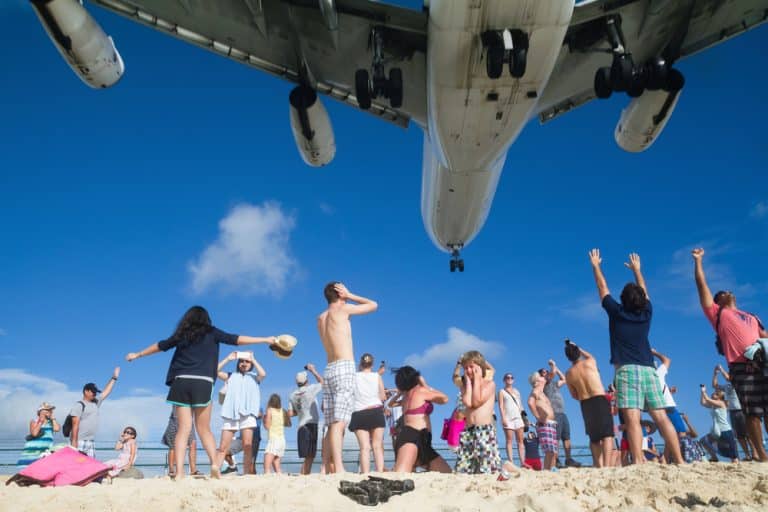
Maho Beach, also known as Airport Beach, is located on the western tip of Saint Martin in the Caribbean. What makes this beach so special is its location right next to the Princess Juliana International Airport. Yes, you read that right – at Maho Beach, you can get up close and personal with planes as they fly just a few meters above your heads as they land. This unusual feature makes Maho Beach one of the most famous beaches in the world.
The fascination of airplane landings
For many visitors, the main attraction of Maho Beach is the opportunity to get up close and personal with airplanes. Princess Juliana International Airport is one of the busiest airports in the Caribbean and a major hub for international flights. This means that you can experience a wide range of aircraft here, from small regional aircraft to large jumbo jets.
The beach stretches along the ends of the airport’s runways. When planes approach runway 10, they fly directly over the beach. The plane landings are an impressive spectacle, as the planes pass over the heads of beachgoers at low altitude as they touch down on the runway. It is a unique experience to see and feel the enormous power and size of these machines up close.
If you’re lucky, you can also experience the downside: runway 28, where planes take off. This means that you have the opportunity to experience the impressive thrust and deafening noise when a plane takes off right in front of you.
Most people who visit Maho Beach have their cameras and smartphones handy to capture this unique experience. There is hardly a better place to take impressive airplane photos.
Safety
Although Maho Beach offers an exciting experience, visitors must take extra care to ensure their own safety and the safety of others. The powerful air currents generated by the aircraft engines can be dangerous. It is highly recommended to stay away from the fences that separate the beach area from the airport. When planes take off, they can blow over and injure people who are too close to the fence.
It is also important to note that the sand at Maho Beach is affected by the engines of the aircraft. When an airplane takes off, the sand can be stirred up, which can be uncomfortable. It is recommended to turn your head away or stay in the water during take-off to protect yourself from flying sand.
Maho Beach: More than just planes
Although the plane landings are undoubtedly the highlight of Maho Beach, the beach has much more to offer. Here are some more reasons why Maho Beach is a fantastic destination:
1. Beautiful backdrop: Aside from the planes, Maho Beach offers a stunning natural backdrop. The beach is surrounded by turquoise waters and lined with palm trees, making it a perfect place to relax and sunbathe.
2. Water Sports: The clear waters of Maho Beach are great for swimming and snorkeling. Water sports such as jet skiing and windsurfing are also popular.
3. Gastronomy and nightlife: The area around Maho Beach offers a variety of restaurants, bars and shops. You can taste local dishes or relax in one of the bars and enjoy the sunset.
4. Sunsets: The sunsets at Maho Beach are spectacular. When the sun slowly sinks below the horizon and the planes fly by, it is an unforgettable sight.
5. Water Park: The neighboring Mullet Bay Beach offers additional opportunities for swimming and relaxing. There is also a water park that offers fun for the whole family.
6. Underwater World: For divers and snorkelers, there are some great dive sites near Maho Beach where you can explore the colorful underwater world of the Caribbean.
Maho Beach: Practical information
The landing of the planes is an extremely popular photo motif, Image: Photostravellers / shutterstock
Maho Beach is located near the village of Maho on the Dutch side of Saint Martin. Princess Juliana International Airport is the main airport on the island and is located right next to the beach. You can easily reach Maho Beach by car or taxi.
It’s important to note that Maho Beach is especially popular at certain times of the day when planes land and take off. The best times to experience the aircraft spectacle are usually in the afternoon, when larger international flights arrive. If you want to enjoy the full experience, you should check the airport’s flight schedule to plan the best times for your visit.
Result
Maho Beach in Saint Martin is undoubtedly a unique and fascinating destination. Here, breathtaking beaches and crystal clear waters meet the exciting world of airplanes. It is a place where adventure and relaxation are in perfect harmony. If you are looking for an unforgettable experience that will introduce you to the amazing diversity of the Caribbean, you should definitely visit Maho Beach. It is not only a beach, but also an experience that you will cherish for the rest of your life. Pack your sunscreen, camera, and sense of adventure and head to this unique destination.
Hollywood and its dream factory are known worldwide for the production of blockbusters and classic films. Many of these films were shot in stunning locations around the world. For film fans and travelers, these filming locations offer the opportunity to experience the magic of cinema up close. In this article, we will introduce some of the most famous filming locations that you can visit.
New Zealand – Lord of the Rings: The breathtaking landscapes of New Zealand served as the backdrop for the epic “Lord of the Rings” trilogy. Visit the Hobbiton movie locations on the North Island and the impressive South Island to explore the majestic mountains and forests.
Scotland – James Bond: The Scottish countryside has been prominently depicted in several James Bond films, including “Skyfall”. The Glen Etive valley and Glen Coe offer spectacular backdrops.
Tunisia – Star Wars: The desert landscapes of Tunisia have served as filming locations for numerous “Star Wars” films. Visit the Hotel Matmata and the desert village of Tataouine to immerse yourself in the world of the Jedi and Sith.
Iceland – Game of Thrones: Iceland was an important filming location for the popular series “Game of Thrones”. The impressive Jökulsárlón glacier lagoon and the volcanic landscapes offer a fascinating environment.
Croatia – Game of Thrones: Dubrovnik, also known as “King’s Landing”, was the filming location for the impressive capital of Westeros in “Game of Thrones”. The Old Town of Dubrovnik is a must-see for fans.
Piazza del Plebiscito in Naples, Image: Wila_Image / shutterstock
Naples, Italy – Life is beautiful: Roberto Benigni’s heartwarming film was largely shot in Naples. Visit the picturesque town and experience the charming atmosphere.
New England, USA – The Shining: Stephen King’s “The Shining” was filmed at the historic Stanley Hotel in Colorado, but the 1997 miniseries, set in New England, also offers a spooky experience.
New Zealand – Wolverine: The spectacular scenery of New Zealand was also a filming location for “X-Men Origins: Wolverine”. The Dart River Wilderness Tour offers a unique way to explore this remote region.
Jordan – Lawrence of Arabia: The classic film was filmed in the impressive deserts of Jordan. Visit the Wadi Rum desert to experience the impressive scenery.
Cuba – The Buena Vista Social Club: This documentary celebrates Cuban music and culture. Visit Havana to experience the vibrant music scene celebrated in the film.
The world of film production offers us the opportunity to discover amazing places and experience the magic of cinema in the original locations. These locations offer not only breathtaking landscapes, but also the opportunity to immerse yourself in the stories and emotions of the films. Which destination will you explore next on your film journey?